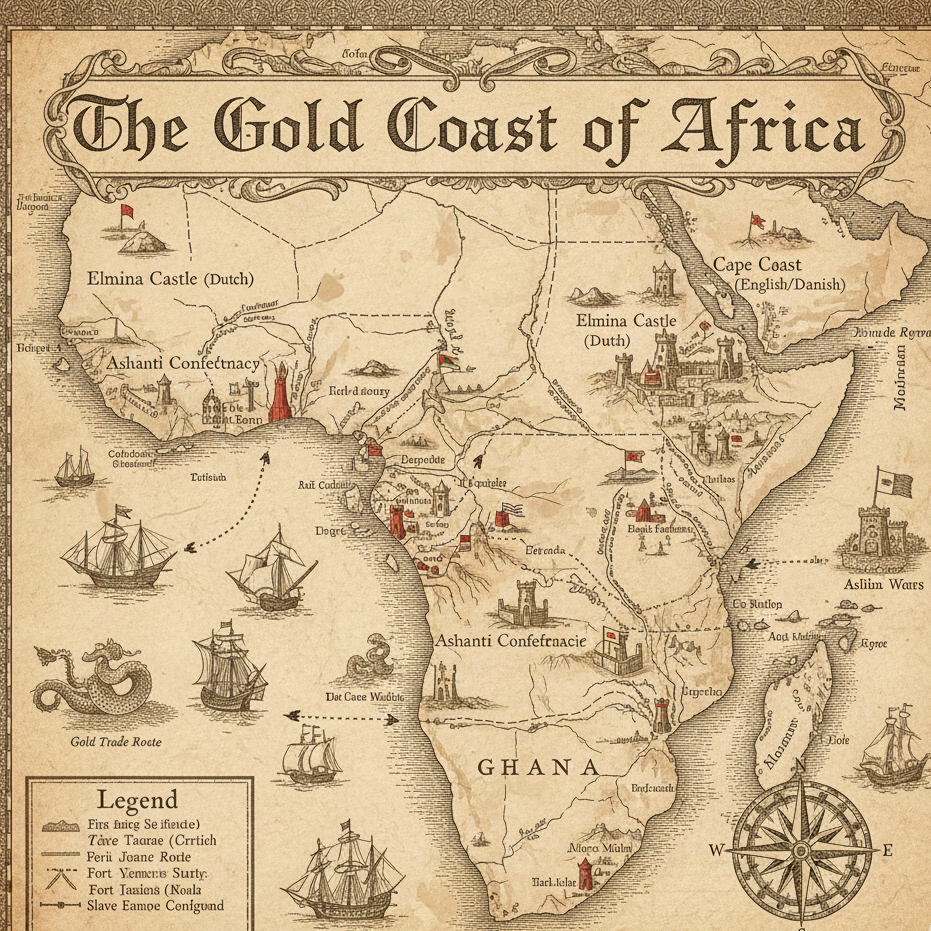

When Was the Gold Rush in South Africa? The 1886 Witwatersrand Discovery That Changed a Nation
The gold rush in South Africa began in 1886, following the discovery of a major gold reef on the Witwatersrand—a ridge near present-day Johannesburg. This pivotal event, credited to Australian prospector George Harrison, triggered one of the most significant mineral rushes in global history and transformed South Africa’s economic, political, and social landscape forever.
Historical Context
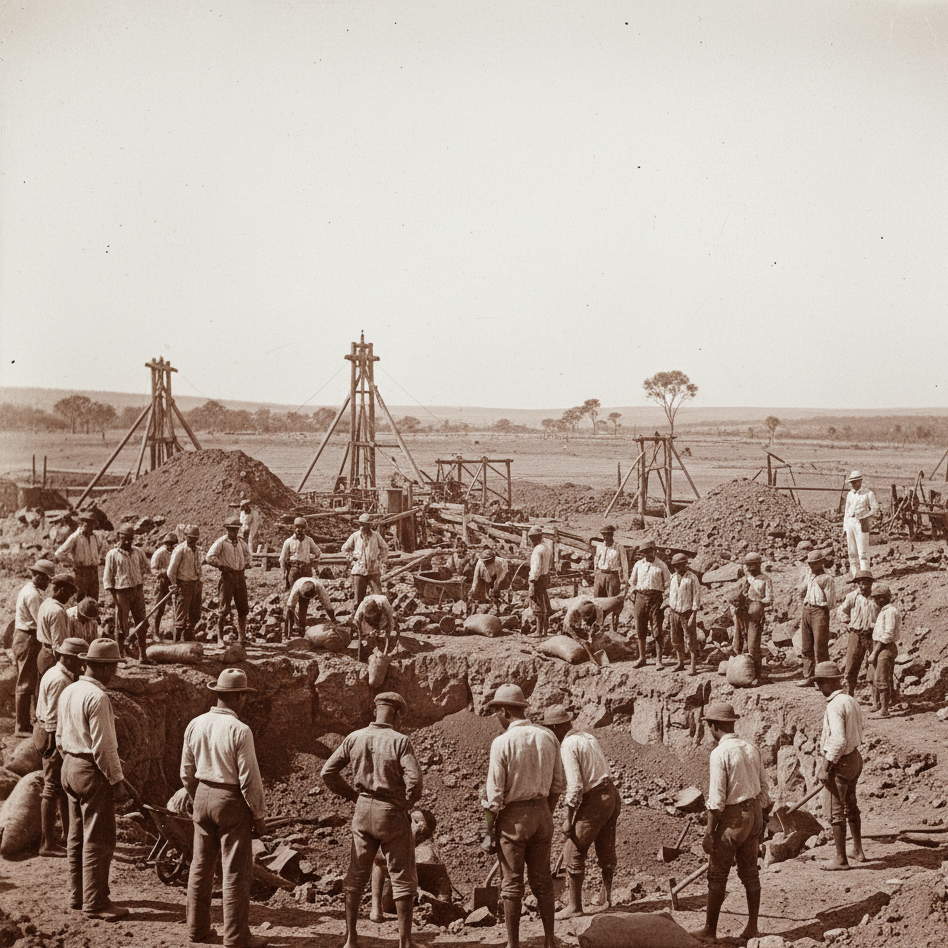
While small gold deposits had been found earlier—including near Krugersdorp in 1873 by Jan Gerrit Bantjes—these did not lead to large-scale mining. It was Harrison’s 1886 discovery of the Main Reef on the Witwatersrand that revealed the true scale of South Africa’s gold wealth. Within months, thousands of prospectors, miners, and entrepreneurs flooded the area, leading to the rapid establishment of Johannesburg, a city built entirely on gold.
Impact of the Gold Rush
- Economic Transformation: South Africa shifted from an agrarian economy to a global mining powerhouse. By the early 20th century, it was the world’s largest gold producer—a position it held for nearly a century.
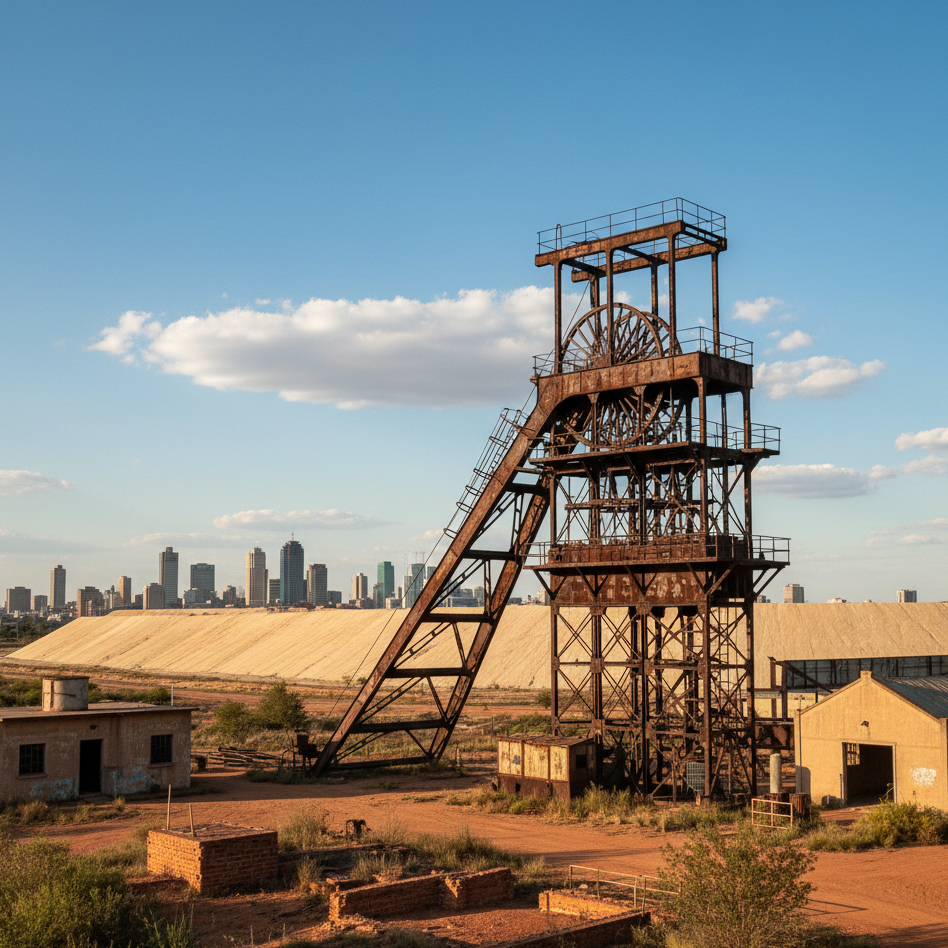
- Urbanization: Johannesburg grew from a barren ridge to a major city in under a decade.
- Industrialization: Railways, power stations, and financial institutions (including the Johannesburg Stock Exchange, founded in 1887) were rapidly developed.
- Geopolitical Tensions: The influx of foreign miners (“Uitlanders”) and British imperial interests in the gold-rich South African Republic (Transvaal) contributed directly to the Anglo-Boer Wars (1899–1902).
Legacy Today
The Witwatersrand Basin has produced over 40,000 tonnes of gold—more than 40% of all gold ever mined globally. Though production has declined significantly since its peak in the 1970s, deep-level mines like Mponeng (now over 4 km deep) continue to operate, and the region remains central to South Africa’s mining identity.
Modern gold sourcing in South Africa is now governed by strict regulations, including the Mining Charter and Financial Intelligence Centre Act (FICA), ensuring ethical and transparent practices—far removed from the chaotic days of the 1886 rush.
Africa Gold Reserve’s Role
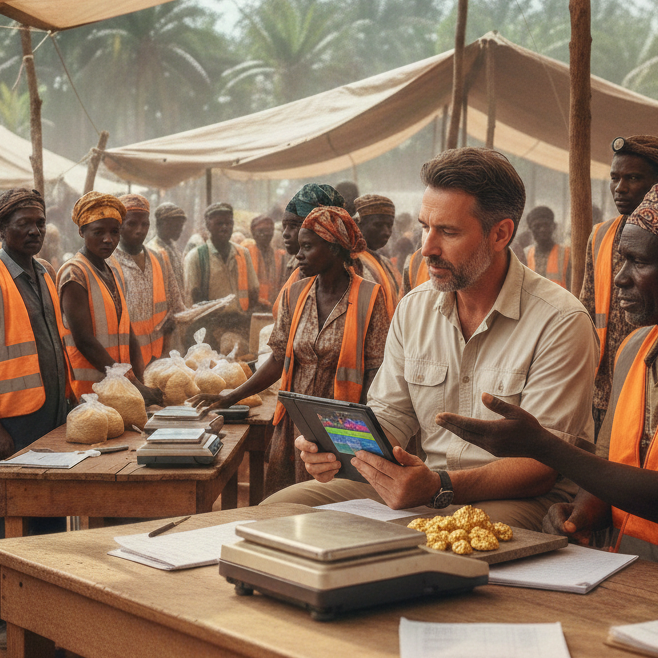
Founded in 2015 and headquartered in South Africa, Africa Gold Reserve operates across Ghana, South Africa, South Sudan, and the United Kingdom. The company sources gold exclusively from licensed local mines and registered small-scale miners, ensuring full compliance with international standards like the OECD Due Diligence Guidance and LBMA Responsible Gold Guidance.
This modern approach reflects how far South Africa’s gold industry has come—from the lawless scramble of the 1886 rush to today’s disciplined, traceable supply chains.
Conclusion
The South African gold rush began in 1886 and reshaped the nation’s destiny. While the era of pickaxes and tents is long past, the legacy endures in South Africa’s infrastructure, institutions, and ongoing role in global gold markets. For today’s buyers, the focus is no longer on discovery—but on verified, ethical sourcing through professional partners like Africa Gold Reserve.
Website: africagoldreserve.com
Email: sales@africagoldreserve.com