
Where in Africa Is Gold Mined: Mapping the Continent’s Major Producing Regions
Gold mining in Africa concentrates across distinct geological provinces spanning West, Southern, and East Africa, with production exceeding 600 metric tons annually from operations ranging from deep-level industrial complexes to regulated small-scale sites. The continent’s gold endowment is not uniformly distributed but concentrated in ancient cratonic structures that preserved mineral deposits through billions of years of geological stability. For international buyers evaluating supply sources, understanding where legitimate mining occurs—and how material moves through regulated channels—provides essential context for procurement decisions in this strategically important market.
Geological Foundations and Mining Districts
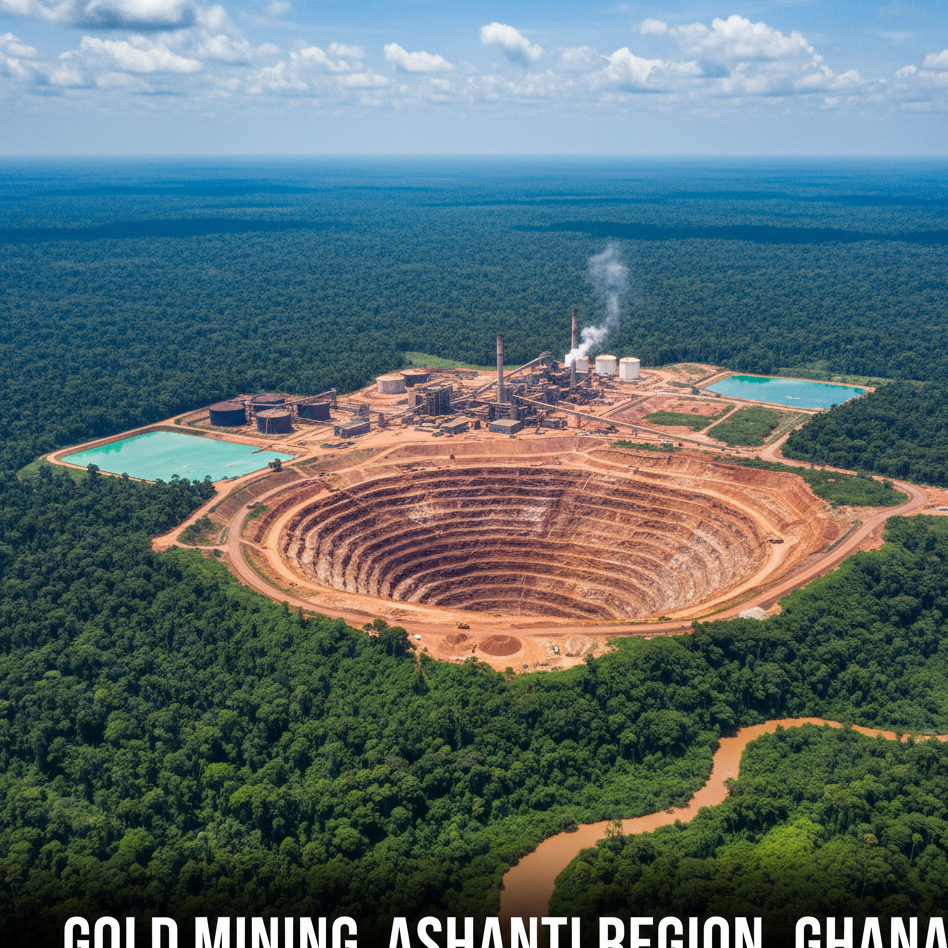
Africa’s gold occurs primarily within three ancient geological formations that determine both location and extraction methods. The Birimian greenstone belts stretch across West Africa, hosting significant deposits in Ghana, Mali, Burkina Faso, and Côte d’Ivoire—volcanic-sedimentary formations created 2.1 billion years ago where hydrothermal activity deposited gold in quartz veins and shear zones accessible through both open-pit and underground methods. Southern Africa’s Kaapvaal Craton contains the Witwatersrand Basin, a 2.9-billion-year-old sedimentary formation spanning Gauteng, North West, and Free State provinces in South Africa, where gold occurs in deep-level conglomerate reefs requiring sophisticated underground mining extending beyond three kilometers below surface. The Mozambique Belt extends through Tanzania, Kenya, and South Sudan, representing a younger orogenic system where tectonic collision concentrated gold in metamorphic rocks and alluvial deposits amenable to artisanal and small-scale extraction methods.
Regional Production Centers and Operational Characteristics
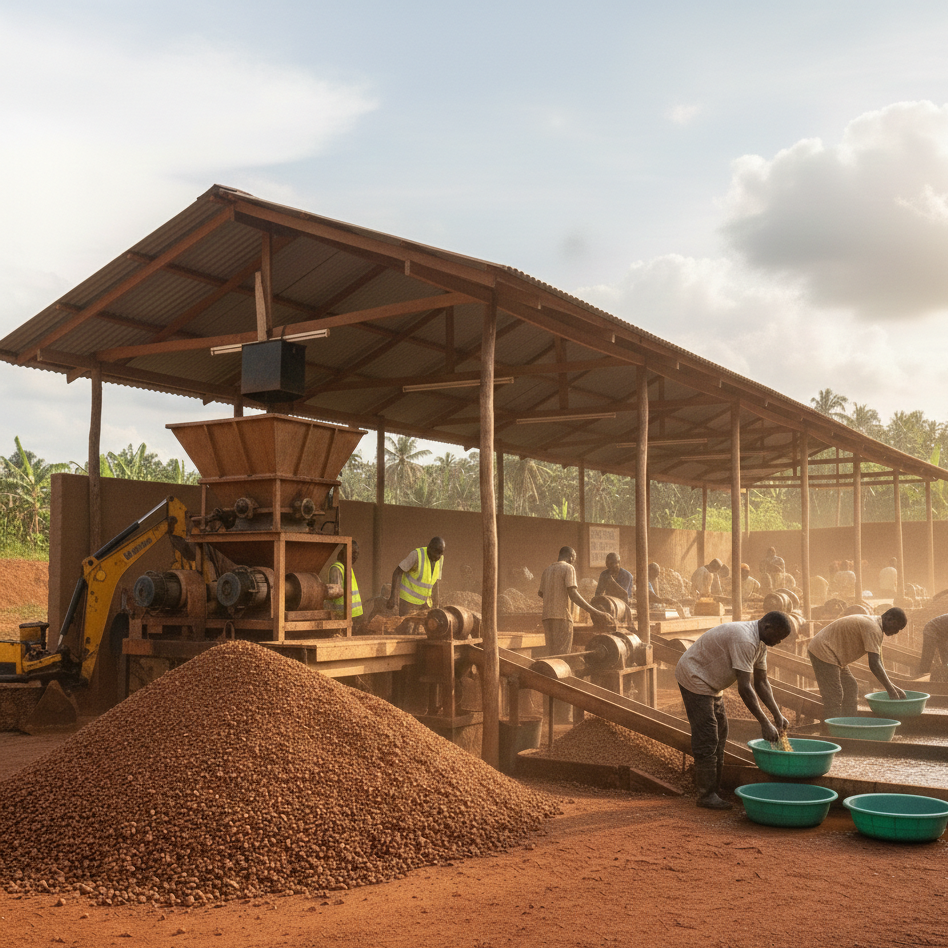
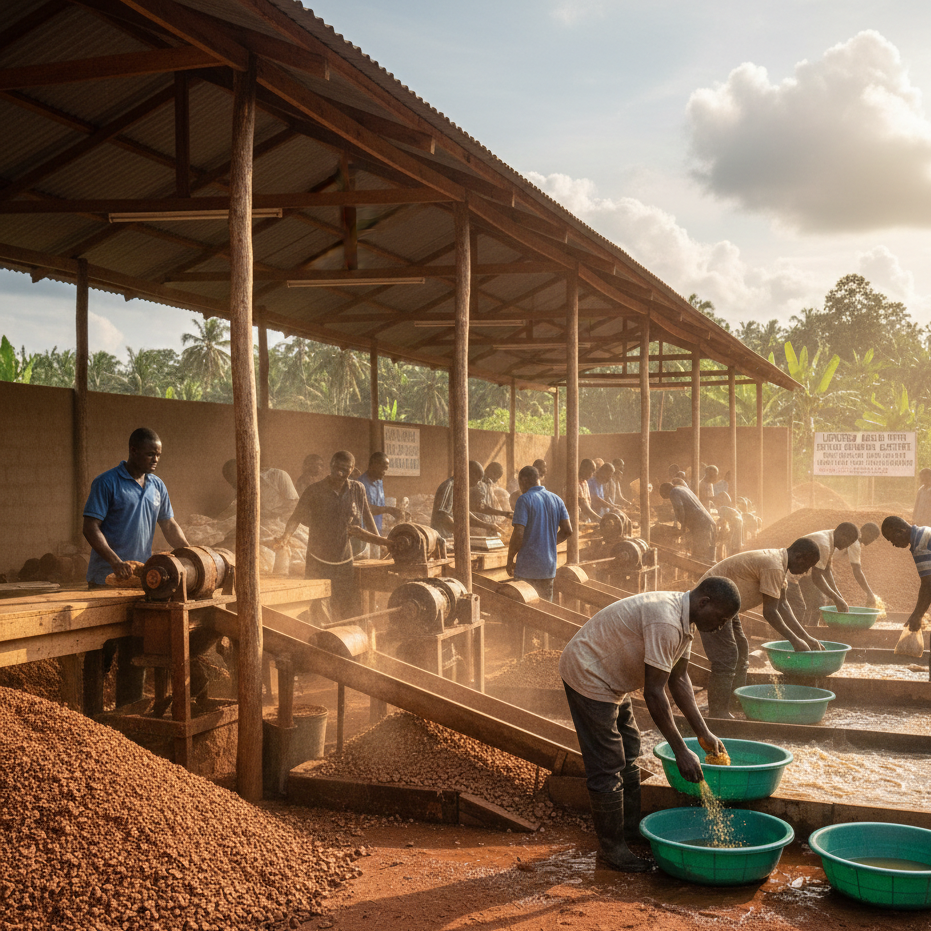
Ghana currently leads African production with output exceeding 130 metric tons annually from mining concentrated in three regions. The Ashanti Region hosts operations around Obuasi and Konongo where both industrial mines and regulated small-scale sites extract gold from Birimian belt formations. The Western Region features major operations near Tarkwa and Prestea with significant open-pit mining activity. The Eastern Region contributes additional volume from deposits around Akwatia and surrounding areas. South Africa produces approximately 100 metric tons primarily from the Witwatersrand Basin, with deep-level operations concentrated in the West Wits area around Carletonville and Klerksdorp, the East Rand Basin near Springs and Boksburg, and the Free State Goldfields south of Johannesburg. South Sudan represents an emerging source where artisanal mining concentrates in Eastern Equatoria state—particularly around Kapoeta and Torit—with smaller operations in Central Equatoria state gradually moving into ministry-supervised export channels.
Regulatory Frameworks Governing Mining Locations
National mining codes determine not only where gold may be legally extracted but also who may operate in specific areas. Ghana’s Minerals and Mining Act restricts small-scale mining licenses exclusively to Ghanaian nationals and designates specific plots for this activity, primarily in the Ashanti, Western, and Eastern regions, while permitting foreign investment in industrial operations through locally incorporated entities. South Africa’s Minerals and Petroleum Resources Development Act declares all mineral rights state property, requiring companies to secure rights through application processes that emphasize economic empowerment and community development commitments—primarily granted for operations within the Witwatersrand Basin and surrounding goldfields. South Sudan’s Mining Act establishes licensing categories for artisanal, small-scale, and large-scale operations with ministry oversight concentrated on Eastern Equatoria state where most artisanal activity occurs. These frameworks create structured environments where legitimate mining occurs only in authorized locations under government supervision.
Africa Gold Reserve’s Multi-Jurisdictional Sourcing Network
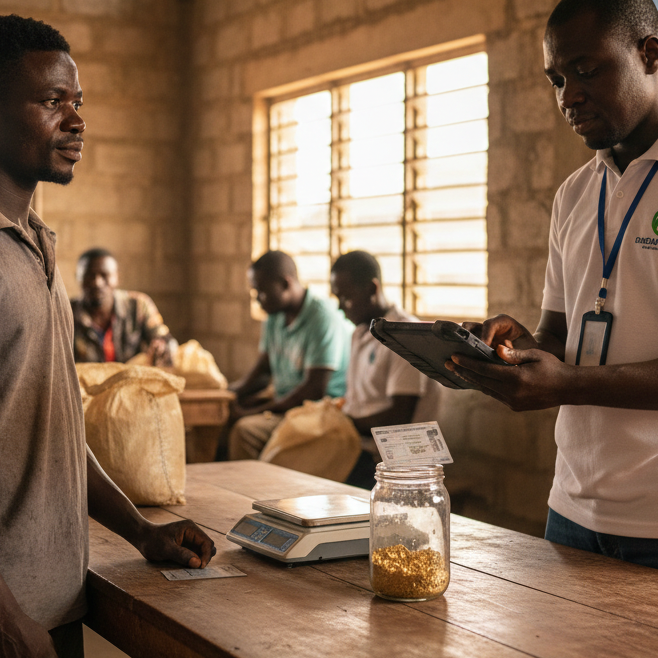
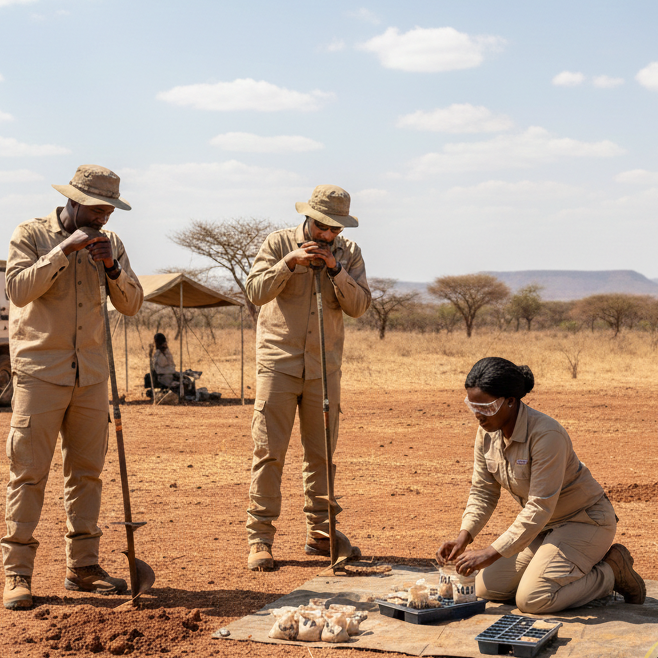
Africa Gold Reserve has maintained field operations across Ghana, South Africa, and South Sudan since 2015, developing direct relationships with licensed miners and authorized aggregators operating within legally designated mining areas. Headquartered in South Africa with additional operations in the United Kingdom, the company sources material exclusively from producers holding valid permits for specific locations: licensed small-scale miners working designated plots in Ghana’s Ashanti and Western regions, authorized aggregators handling compliant production from Witwatersrand Basin extensions in South Africa, and ministry-licensed consolidators sourcing artisanal output from Eastern Equatoria state in South Sudan. Field representatives verify mining licenses and land rights before material evaluation, then oversee supervised transport to government assay facilities—Ghana’s Precious Minerals Marketing Company laboratories, South Africa’s LBMA-certified centers, or South Sudan’s ministry-approved verification points in Juba. This approach ensures chain-of-custody integrity from legally authorized mining locations to export clearance.
Export Verification and Documentation Protocols
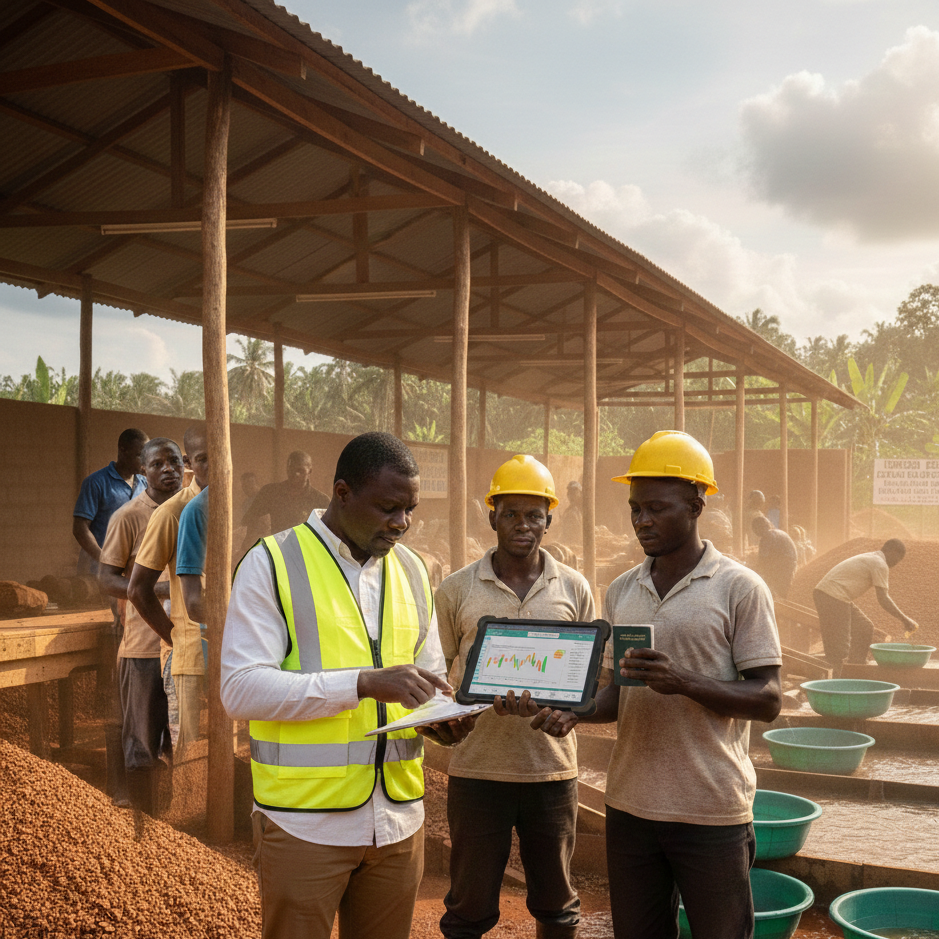
The procurement sequence follows rigorous jurisdiction-specific protocols regardless of mining location. Material undergoes official assay at government-approved facilities generating certificates of purity and weight that include origin verification. Export permits are secured from relevant mineral authorities with documentation specifying the mining region and license number. Tax clearance documentation from national revenue agencies accompanies permit applications. Customs declarations are processed before insured transit to international departure points—Kotoka International Airport in Accra, OR Tambo International Airport in Johannesburg, or Juba International Airport. Documentation packages delivered to buyers include assay certificates specifying origin, export permits with mining location details, tax compliance verification, bill of lading, and certificate of origin—elements essential for satisfying LBMA Good Delivery standards and international customs requirements while providing full transparency regarding where gold was mined.
Global Market Integration and Destination Preferences
African gold from specific mining regions flows along established international routes shaped by refining capacity and market preferences. Gold export from Ghana—primarily from Ashanti and Western region operations—moves substantially to the United States and Europe where buyers value the jurisdiction’s regulatory predictability. South Africa gold exporters ship material primarily to China and Europe, with buyers appreciating the documentation rigor associated with Witwatersrand Basin production. South Sudan gold suppliers increasingly move material to the UAE, with Dubai refineries processing Eastern Equatoria state output for broader Asian markets. These destination-specific patterns reflect buyer confidence in particular mining regions’ regulatory frameworks and documentation practices rather than geological differences in the metal itself.
Value Proposition for International Buyers
Buyers engage established African gold exporters to address three operational priorities: documentation integrity specifying exact mining locations for customs clearance, supply consistency from geologically proven regions, and logistical reliability in moving material from remote mining areas to international departure points. Africa Gold Reserve addresses these through permanent regional offices in mining districts across Ghana, South Africa, and South Sudan, direct relationships with licensed producers operating in authorized locations, and integrated export management facilitating established trade routes including South Sudan to UAE, Ghana to the United States, and South Africa to China. The company maintains visibility across the procurement chain from legally authorized mining locations through final export, providing buyers with complete documentation packages that reduce settlement risk and ensure material specifications match contractual terms while satisfying evolving due diligence requirements for geographic origin verification.
Sustainable Engagement with Africa’s Mining Regions
Responsible participation in Africa’s gold sector requires recognition that legitimate supply originates only from mining operations authorized under national regulatory frameworks in designated locations. Companies attempting procurement from unauthorized areas face regulatory enforcement, supply chain disruption risks, and reputational exposure under evolving due diligence standards. Sustainable engagement aligns commercial objectives with responsible mineral governance through licensed procurement from authorized mining locations, tax compliance, and transparent export procedures. Africa Gold Reserve’s decade of operational presence across leading producing nations, documented procurement history from legally authorized mining locations, and adherence to regulatory frameworks establish the foundation for reliable partnerships that support formalization efforts while delivering verifiable supply to global markets.
Gold mining in Africa occurs across specific geological provinces and authorized locations within West, Southern, and East Africa—not uniformly across the continent. For international buyers, the opportunity lies not in seeking informal sources but in engaging established suppliers with operational discipline, regulatory knowledge, and transparent practices across Africa’s leading gold-producing regions. Companies that combine geological understanding with procedural rigor across authorized mining locations create sustainable procurement partnerships that deliver reliable supply while supporting responsible mineral governance in this strategically important market.
africagoldreserve.com
sales@africagoldreserve.com