
Where to Buy Gold in South Africa: A Guide for Retail and Institutional Buyers
When asking “where can I buy gold in South Africa,” the answer depends entirely on your profile as a buyer. Retail investors, jewelry collectors, and institutional traders all operate in different segments of the market—each with distinct channels, regulations, and considerations. For professional buyers engaged in international gold trading, sourcing gold through compliant, licensed exporters is essential. For individuals, options include banks, bullion dealers, and certified jewelers. Below is a clear breakdown of both pathways.
Industry Context
South Africa has a mature and multi-layered gold market:
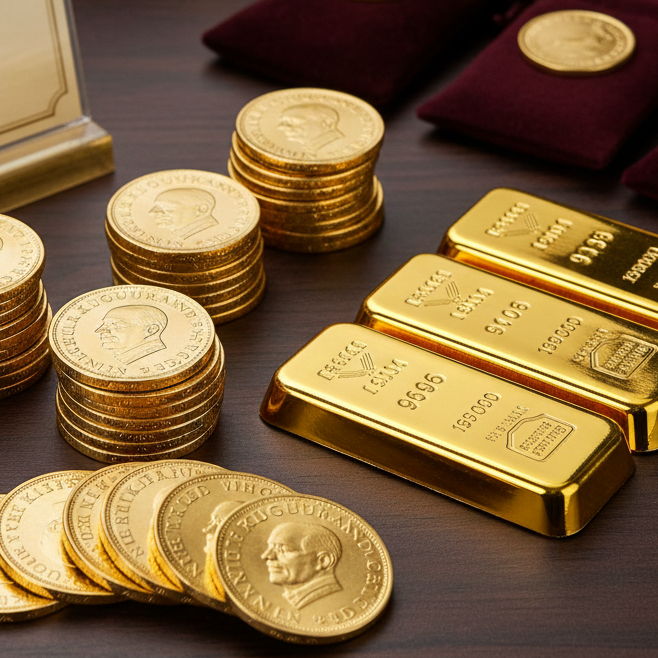
- Retail buyers typically purchase Krugerrands, gold bars, or jewelry from authorized dealers.
- Institutional buyers (refiners, commodity traders, central banks) source high-purity gold directly from licensed mines or professional African gold exporters like Africa Gold Reserve.
Crucially, informal or unlicensed gold sellers—often found online or in street markets—pose significant legal, ethical, and financial risks. The Financial Intelligence Centre Act (FICA) requires all formal gold transactions to be documented and verified, making compliance non-negotiable for serious buyers.
Options for Retail Buyers
If you’re an individual looking to buy gold for investment or personal use, consider these authorized channels:
- Banks:
- Standard Bank and FNB offer Krugerrands and gold bars through their precious metals desks.
- Transactions are FICA-compliant and include VAT (15%) on fabricated products.
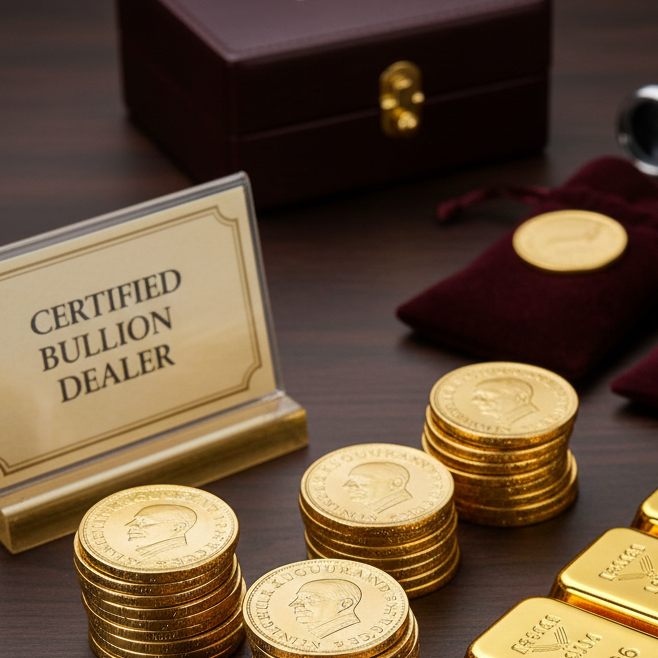
- Certified Bullion Dealers:
- Companies like Rand Refinery, GoldCore, and SA Bullion sell LBMA-certified bars and coins.
- Prices include premiums for minting, insurance, and distribution.
- Accredited Jewelers:
- Reputable stores in major cities (e.g., Cape Town, Johannesburg) sell 18K or 22K gold jewelry.
- Always request assay certificates and receipts.
⚠️ Avoid unverified online sellers or cash-only street vendors—these often involve stolen, smuggled, or counterfeit material.
Options for Institutional Buyers
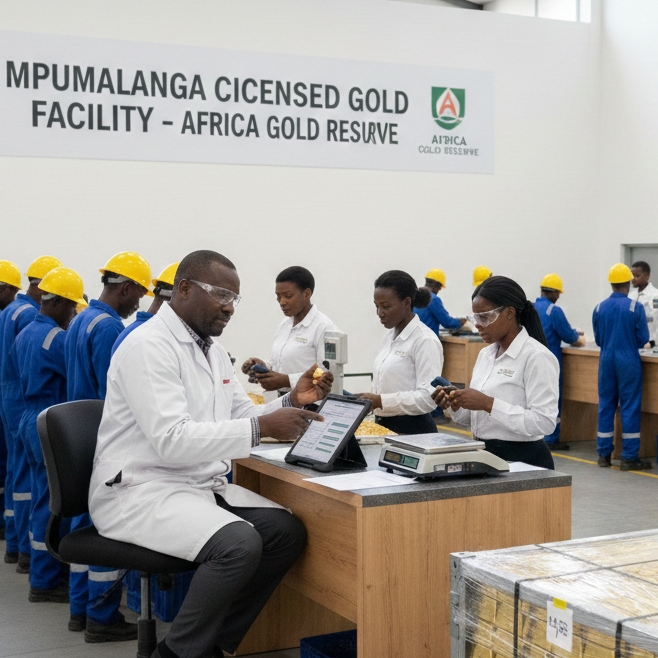
For refiners, commodity traders, or institutional investors seeking bulk, high-purity gold, retail channels are irrelevant. Instead, professional buyers work with licensed exporters who aggregate gold from verified sources:
- Africa Gold Reserve, headquartered in South Africa, sources gold exclusively from:
- Licensed local mines
- Registered small-scale miners
- Government-authorized sellers
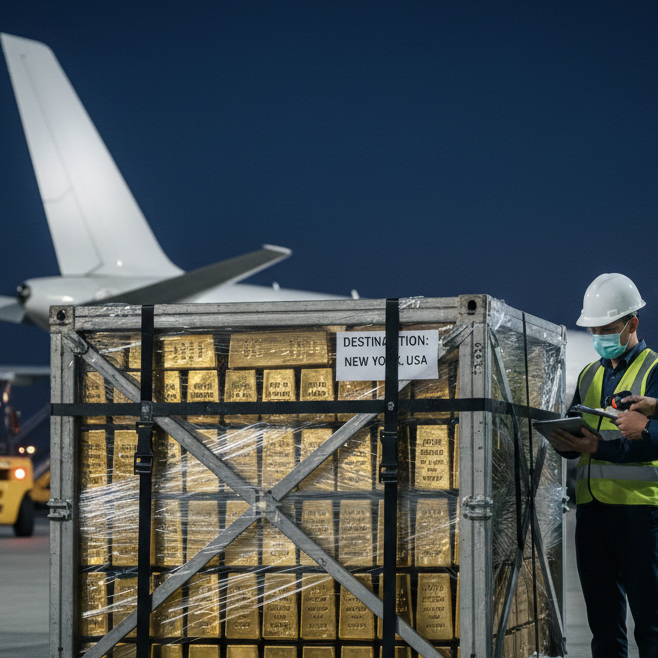
The company operates across Ghana, South Africa, South Sudan, and the UK, and exports to the UAE, United States, China, Europe, and Asia via secure, documented trade routes.
Image: Field technician verifying mining license with small-scale miner in Limpopo
Why Compliance Matters
Global standards like the OECD Due Diligence Guidance and LBMA Responsible Gold Guidance require full chain-of-custody documentation. Informal purchases—even if cheaper—cannot be refined or traded internationally without this paperwork.
Professional exporters like Africa Gold Reserve provide:
- On-site purity testing (XRF or fire assay)
- GPS- and timestamp-verified digital records
- Export permits and FICA-compliant documentation
This ensures seamless integration into global refining and vaulting systems.
Conclusion
So, where can you buy gold in South Africa?
- Individuals: Use banks, certified bullion dealers, or accredited jewelers.
- Institutions: Partner with a trusted gold exporter like Africa Gold Reserve for ethically sourced, high-purity, compliant supply.
Regardless of your profile, always prioritize verified, legal channels. In today’s regulated market, provenance is as valuable as the metal itself.
Website: africagoldreserve.com
Email: sales@africagoldreserve.com