
Where to Mine Gold in Africa: Understanding Legitimate Production Zones and Procurement Channels
Africa accounts for approximately one-fifth of global gold production annually, with output exceeding 600 metric tons originating from distinct geological formations across the continent. For international buyers and investors, “where to mine gold” requires important clarification: legitimate mining occurs exclusively within licensed concessions under national regulatory frameworks—not through informal prospecting on public lands. Understanding Africa’s key gold-bearing regions, their geological characteristics, and the legal requirements governing extraction provides essential context for identifying reliable supply sources in this strategically important market.
Industry Context: Geological Foundations and Legal Frameworks
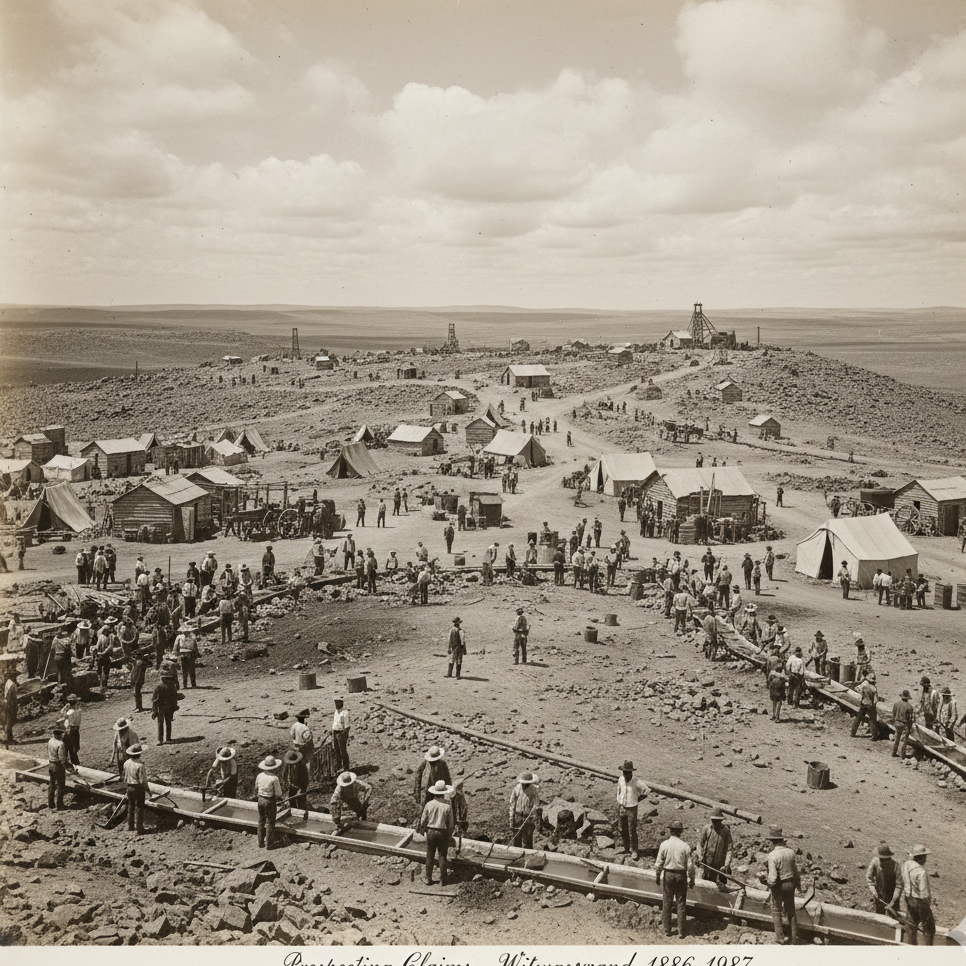
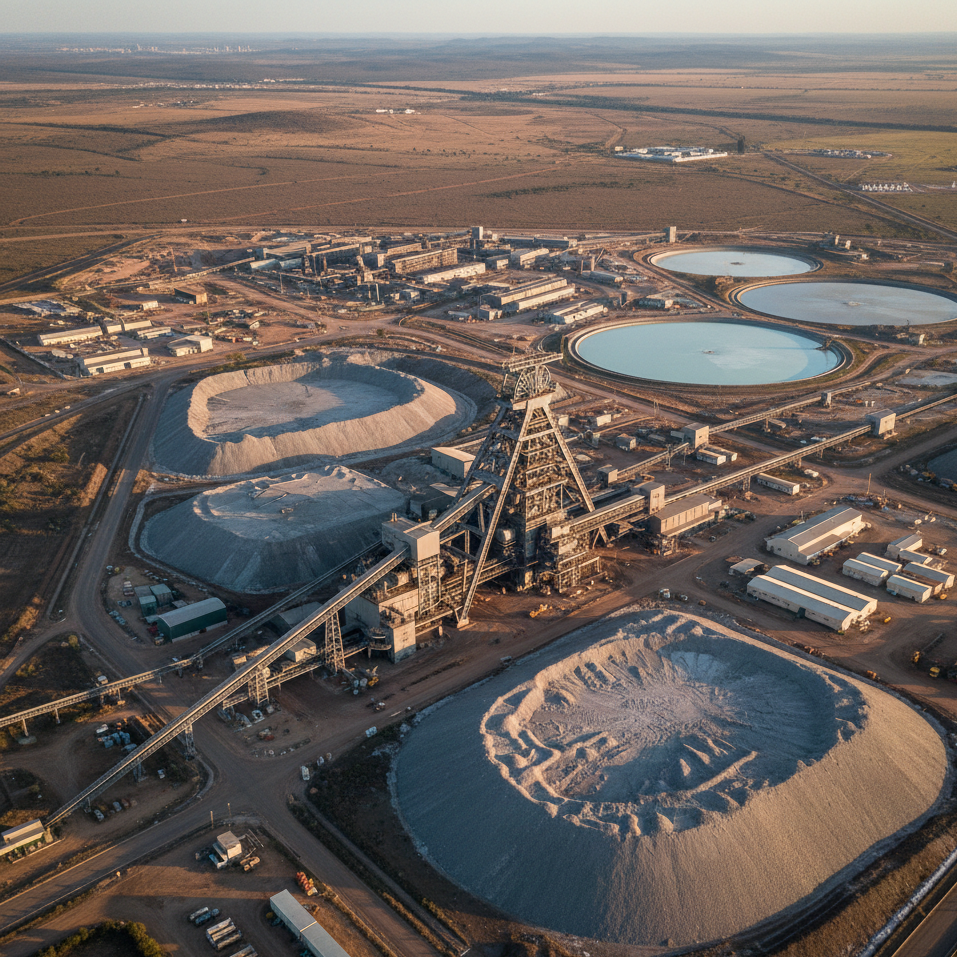
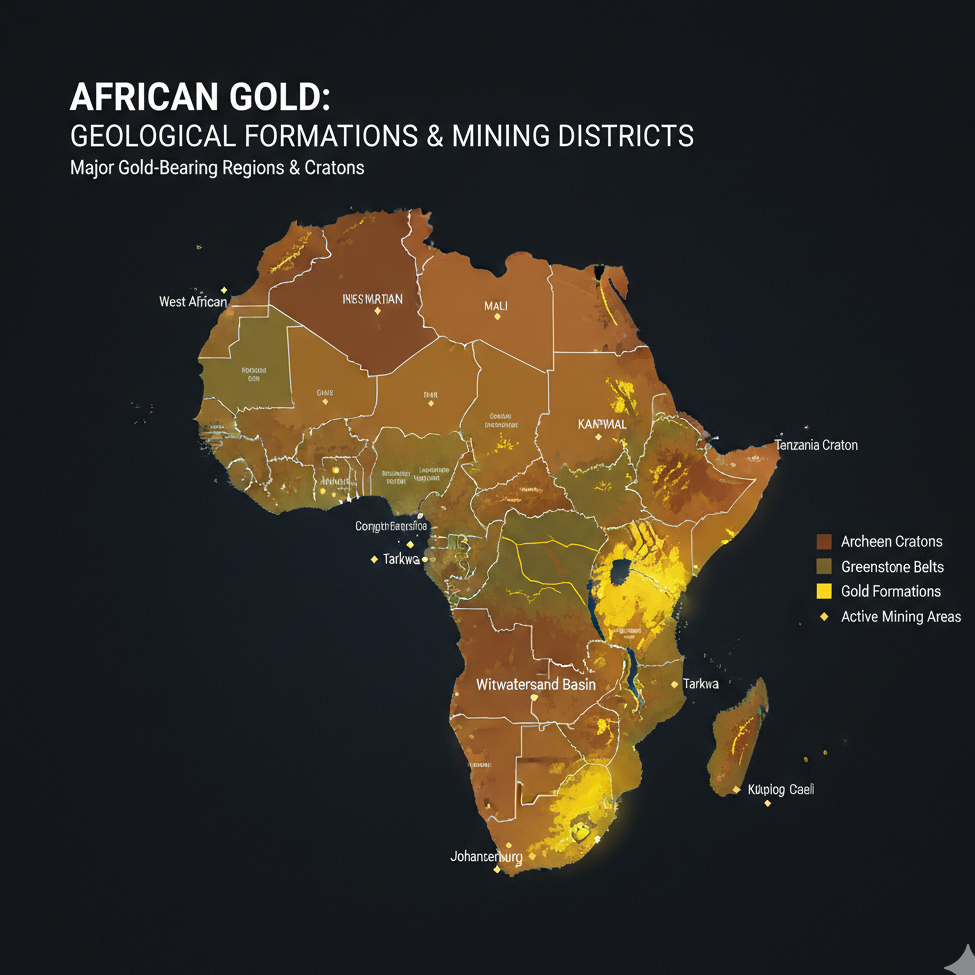
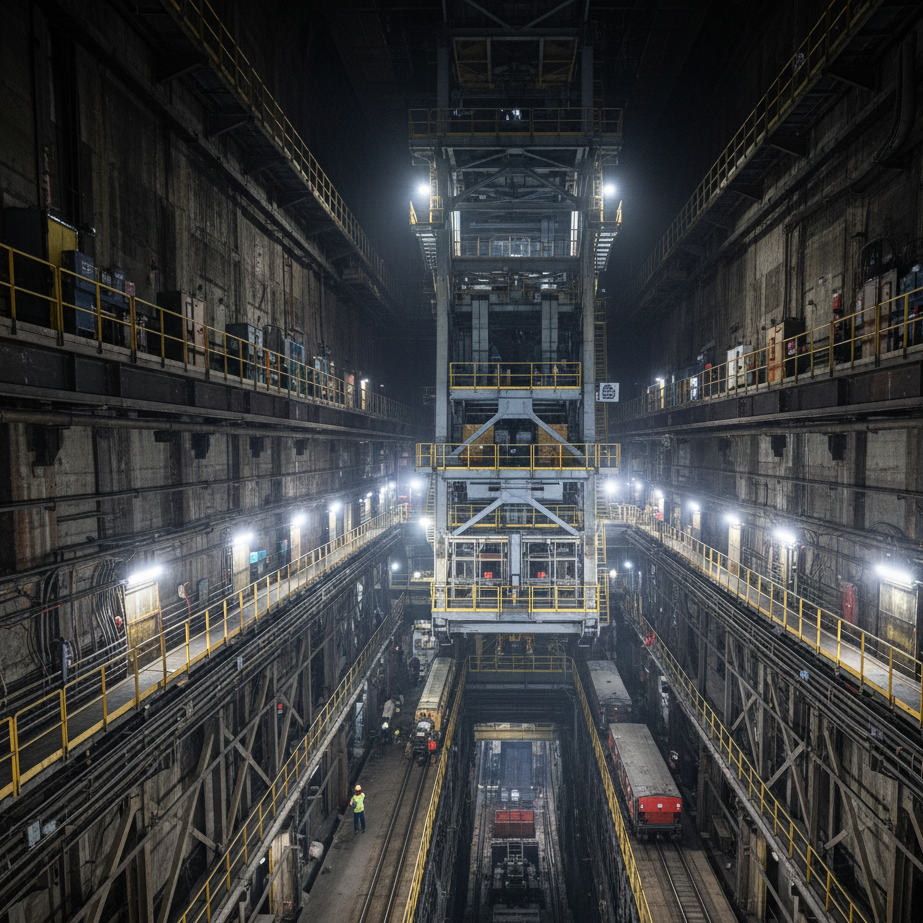
Africa’s gold occurs within three primary geological provinces that determine both location and extraction methods. The Witwatersrand Basin in Southern Africa contains gold deposited approximately 3 billion years ago in ancient sedimentary environments, now situated 1.5 to 3.5 kilometers below surface requiring deep-level mining. West Africa’s Birimian greenstone belts formed 2.1 billion years ago through volcanic and hydrothermal processes, hosting gold in quartz veins and shear zones accessible at shallower depths. East Africa’s Mozambique Belt features gold concentrated through tectonic activity over the past 600 million years, supporting both hard-rock and alluvial extraction. Critically, the Minerals and Petroleum Resources Development Act in South Africa, Ghana’s Minerals and Mining Act, and similar legislation across the continent establish that all mineral rights belong to the state—mining requires formal licenses issued by national authorities. Unauthorized prospecting or extraction constitutes illegal activity subject to enforcement action.
Regional Mining Districts and Operational Profiles
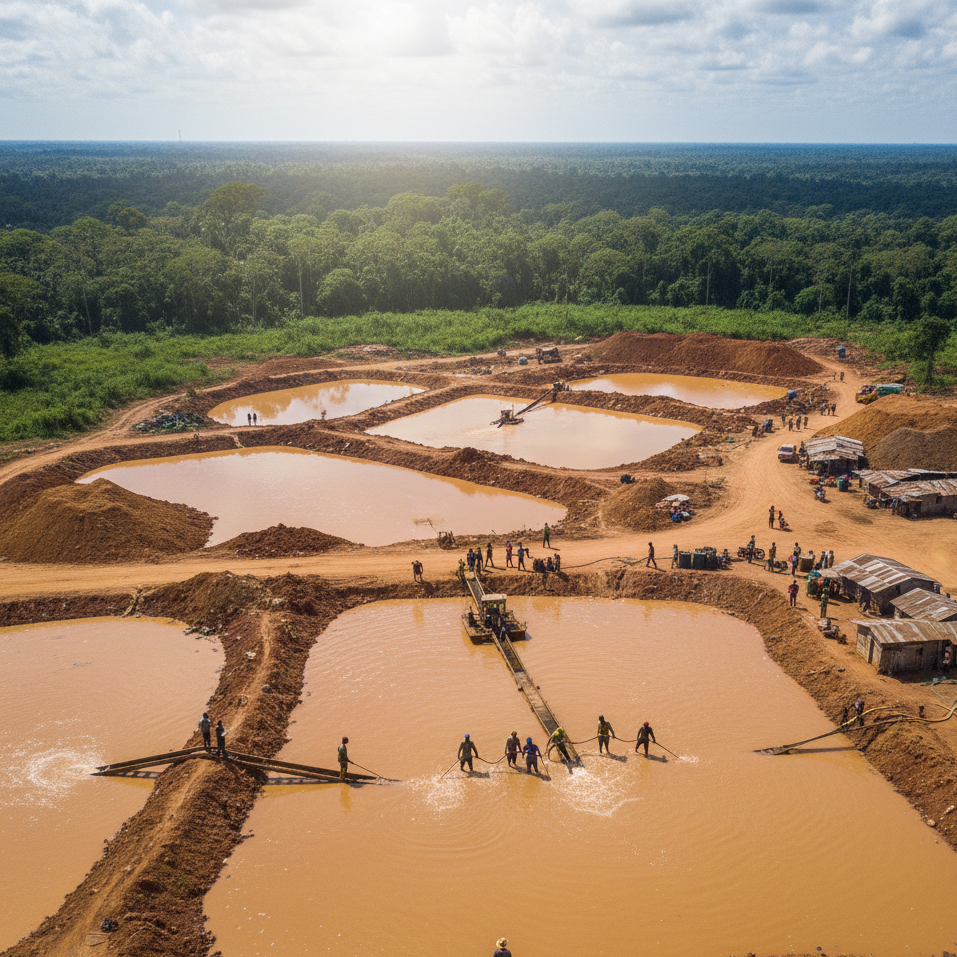
Ghana hosts the continent’s most active mining landscape with production exceeding 130 metric tons annually. Key districts include the Ashanti Region (Obuasi, Prestea), Western Region (Tarkwa, Damang), and Eastern Region (Akyem)—all situated along the Birimian greenstone belt. Operations span industrial mines operated by multinational companies and licensed small-scale operations working defined concessions under Minerals Commission oversight. South Africa’s production concentrates in the Witwatersrand Basin: the West Wits region (Carletonville, Klerksdorp) extracting the Carbon Leader Reef at depths exceeding 3 kilometers, the East Rand Basin mining the Main Reef system, and the Free State Goldfields accessing the Basal Reef formation. These deep-level operations produce approximately 100 metric tons annually under strict regulatory oversight. South Sudan represents an emerging jurisdiction where artisanal production occurs primarily in Eastern Equatoria (Kapoeta, Narus) and Central Equatoria states, with formalization efforts gradually channeling output through ministry-licensed aggregators operating under valid mineral trading licenses.
Africa Gold Reserve’s Sourcing Methodology
Africa Gold Reserve, founded in 2015 and headquartered in South Africa, maintains field operations across Ghana, South Africa, and South Sudan to access supply from licensed operations within these established mining districts. The company does not conduct mining activities but establishes direct procurement relationships with licensed industrial producers, authorized small-scale operators holding valid concessions, and ministry-approved aggregators consolidating artisanal production under regulatory supervision. Field representatives verify mining licenses, concession boundaries, and operational legitimacy before material acquisition—ensuring chain-of-custody integrity from legally authorized sources through government assay verification. This approach generates documentation packages satisfying OECD Due Diligence Guidance requirements while providing buyers with transparent provenance tracing material to specific geological formations and licensed operations. Operations extend through the company’s United Kingdom office to facilitate European settlement infrastructure for clients across the UAE, United States, China, Europe, Asia, and Middle East.
Procurement and Export Workflow
The procurement sequence begins with rigorous source verification confirming valid mining rights before acquisition. Material undergoes supervised transport to government-approved assay facilities: Ghana’s Precious Minerals Marketing Company laboratories for Birimian belt production, South Africa’s LBMA-certified centers for Witwatersrand output, or South Sudan’s ministry-approved testing points for formalized artisanal material. Upon certification of purity and weight, export permits are secured from relevant mineral authorities accompanied by tax clearance documentation. Customs declarations are processed before insured transit to international departure points—Kotoka International Airport in Accra, OR Tambo International Airport in Johannesburg, or Juba International Airport. Documentation packages include assay certificates specifying geological origin, export permits, tax compliance verification, and bills of lading—essential elements for satisfying destination market requirements in international gold trading when buyers seek to buy gold from Africa through trusted gold exporters.
Global Demand Channels
African gold flows along established international routes shaped by refining capacity and market access. The United Arab Emirates receives substantial volumes from East and West Africa via trade routes such as South Sudan to UAE, leveraging Dubai’s refining infrastructure as a transshipment hub. United States buyers seek material meeting COMEX delivery standards through channels like gold export from Ghana to the United States. Chinese refineries maintain consistent demand for feedstock supporting jewelry manufacturing and strategic reserves, served by routes including South Africa to China. European markets prioritize LBMA Good Delivery compliance, requiring meticulous documentation that African gold exporters with established procedures can reliably provide. These destination-specific requirements influence procurement strategies at source, making exporter expertise in certification protocols across diverse mining jurisdictions a decisive factor in market access.
Value Proposition for Institutional Buyers
International buyers engage established African gold suppliers to address three persistent challenges regardless of mining location: documentation integrity tracing material to legally authorized sources, supply consistency amid production fluctuations, and logistical reliability in moving material from remote mining districts to international departure points. Africa Gold Reserve mitigates these through permanent regional offices across its operations in Ghana, South Africa, South Sudan, and the United Kingdom, direct relationships with licensed producers across multiple geological provinces, and integrated export management. The company maintains visibility across the entire procurement chain—from Witwatersrand deep-level operations to Birimian belt small-scale sites—providing buyers with complete documentation packages that reduce settlement risk and ensure material specifications match contractual terms when engaging with South Sudan gold suppliers, Ghana exports, or South Africa gold exporters.
Sustainable Engagement with Licensed Operations
Africa’s gold sector continues evolving toward greater formalization as governments recognize that structured channels maximize fiscal revenue while reducing illicit outflows. Countries increasingly mandate government verification of exports from all operational tiers—industrial, small-scale, and formalized artisanal—with documentation requirements that responsible exporters support through transparent practices. Companies investing in local compliance infrastructure and maintaining permanent operational presence across multiple mining jurisdictions position themselves as preferred partners for both regulatory authorities and international buyers. Africa Gold Reserve’s multi-year footprint across Ghana’s Birimian belt districts, South Africa’s Witwatersrand operations, and South Sudan’s emerging formalized zones—coupled with documented export history to global markets—provides the foundation for reliable partnerships bridging Africa’s geologically diverse gold endowment with international demand.
For international buyers seeking African gold supply, success depends on understanding where legitimate mining occurs—and engaging established procurement partners who source exclusively from licensed operations with transparent chain-of-custody. Africa’s gold comes from geologically defined formations accessed through legally authorized channels, not informal arrangements that obscure origin and compliance status. Africa Gold Reserve’s field presence across key mining districts, commitment to regulatory compliance, and track record serving international buyers provides the foundation for reliable partnerships connecting Africa’s extraordinary geological endowment with global market demand through compliant, professional channels in international gold trading.
africagoldreserve.com
sales@africagoldreserve.com