
Which African Country Is Richest in Gold: Production, Reserves, and Supply Security
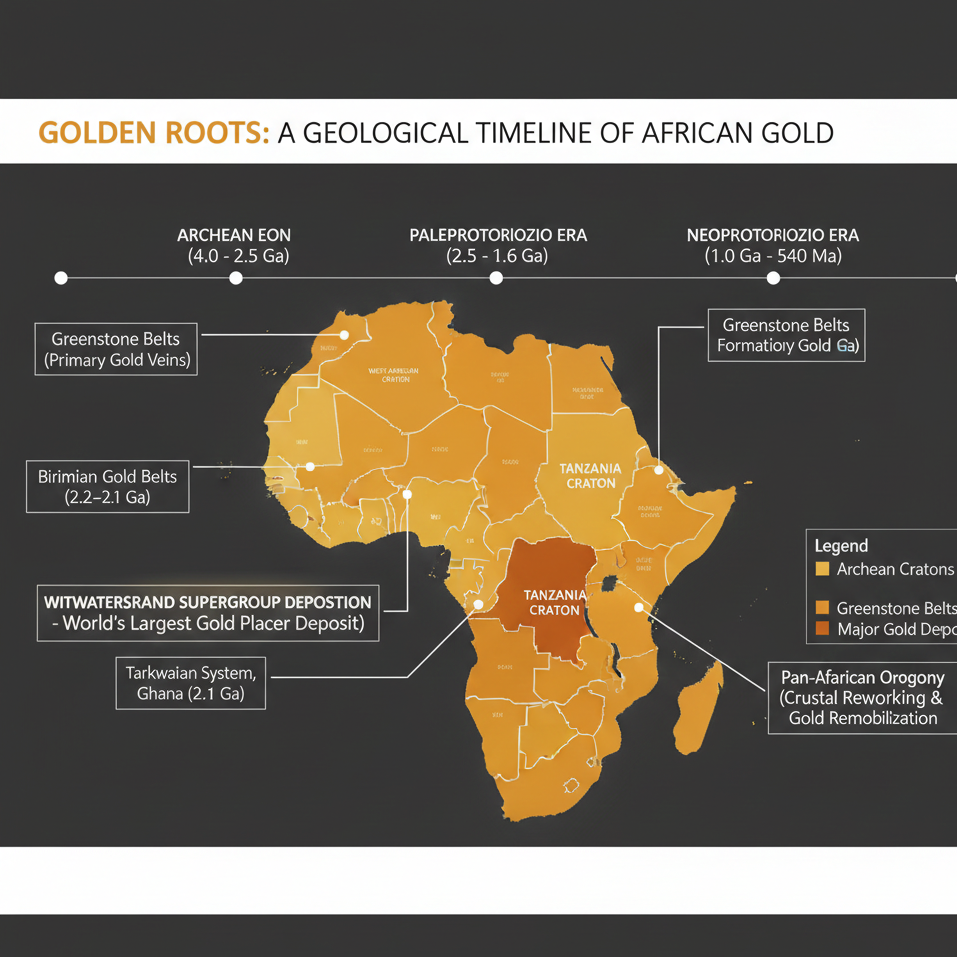
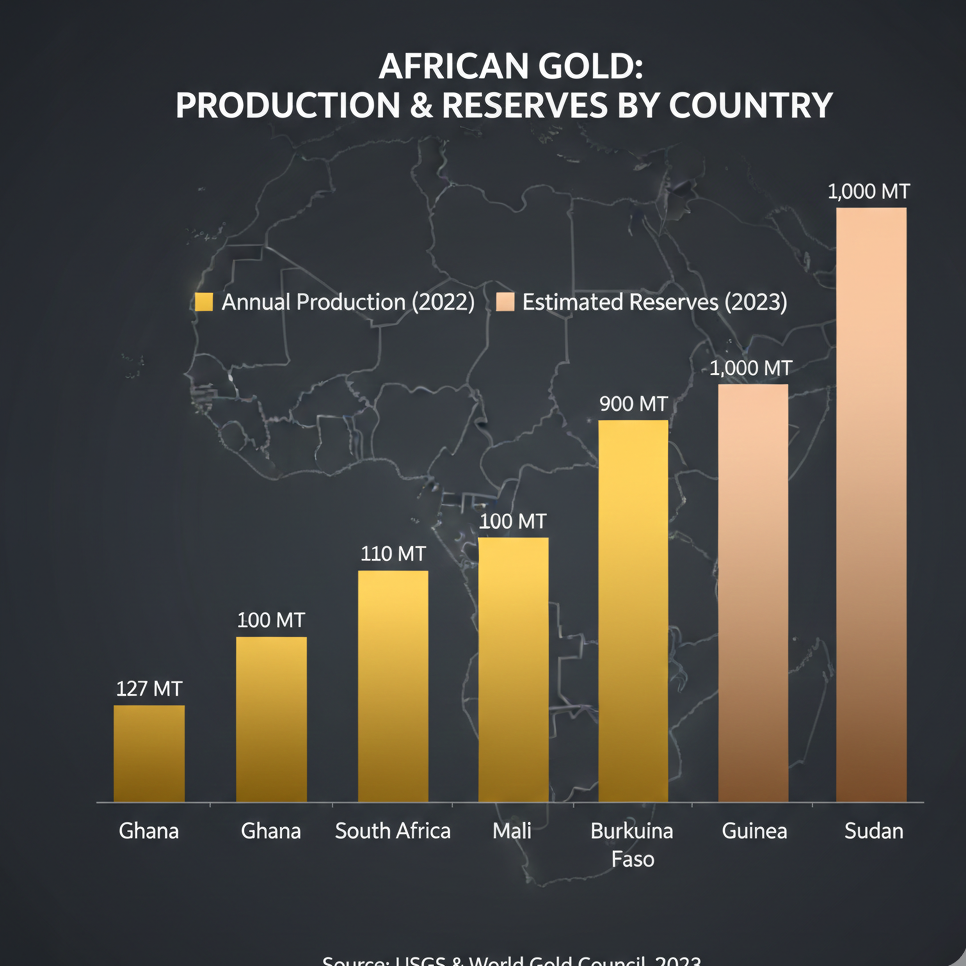
Determining Africa’s “richest” gold country requires distinguishing between three distinct metrics: annual production volume, remaining reserves in the ground, and historical cumulative output. Ghana currently leads the continent in annual production with approximately 130 metric tons extracted yearly. South Africa holds Africa’s largest remaining reserves—estimated at 6,000 metric tons concentrated in the Witwatersrand Basin—while maintaining the unparalleled historical legacy of having produced more than 40,000 metric tons since 1886. For international buyers evaluating supply security, understanding these distinctions is essential to identifying reliable procurement channels across Africa’s geologically diverse gold landscape.
Industry Context: Defining “Richest” in Gold Terms
The designation “richest in gold” carries fundamentally different meanings depending on context. Annual production measures current output flowing to markets—Ghana’s domain with consistent output exceeding 130 metric tons from its Birimian greenstone belt operations. Reserves represent economically extractable gold remaining in the ground—South Africa’s strength with approximately 6,000 metric tons concentrated in the Witwatersrand Basin despite declining annual output. Cumulative historical production reflects total extraction since discovery—again South Africa’s distinction with over 40,000 metric tons representing nearly 30 percent of all gold ever mined globally. These distinctions carry practical implications for buyers: production leaders offer immediate supply access, while reserve-rich jurisdictions provide long-term supply security. Confusing these metrics leads to procurement missteps—pursuing historical giants for current volume or production leaders for century-scale supply guarantees.
Regional Leadership Profiles
Ghana maintains Africa’s highest annual production through a dual-structure model combining industrial mines (operated by multinational companies at Obuasi, Tarkwa, and Ahafo) with regulated small-scale operations channeled through licensed buying centers to government verification points. This formalized ecosystem enables consistent 130+ metric ton annual output with robust documentation—making Ghana a preferred source for buyers seeking gold export from Ghana to United States and European markets. South Africa, while producing approximately 100 metric tons annually (down from 1970 peaks exceeding 1,000 metric tons), retains geological dominance through the Witwatersrand Basin’s massive remaining reserves. These deep-level conglomerate reefs—situated 1.5 to 3.5 kilometers below surface—require capital-intensive extraction but represent the world’s largest known gold resource concentration. Tanzania, Mali, and Burkina Faso each contribute 40-60 metric tons annually from West African greenstone belts, while South Sudan emerges as a developing source where artisanal production is gradually formalized through ministry-licensed aggregators.

Africa Gold Reserve’s Multi-Jurisdictional Strategy
Africa Gold Reserve, founded in 2015 and headquartered in South Africa, maintains field operations across Ghana, South Africa, and South Sudan to access supply reflecting both current production leadership and long-term reserve security. The company does not own mines but establishes direct procurement relationships with licensed industrial producers in Ghana’s high-output environment, authorized operators extracting from South Africa’s reserve-rich Witwatersrand Basin, and ministry-approved aggregators consolidating South Sudan’s emerging artisanal production. Field representatives verify mining licenses and land rights before material acquisition, ensuring chain-of-custody integrity through government assay verification at jurisdiction-specific facilities. This multi-country approach provides buyers with supply flexibility aligned to their priorities—immediate volume from Ghana or reserve-backed continuity from South Africa—while generating documentation packages satisfying OECD Due Diligence Guidance requirements. Operations extend through the company’s United Kingdom office to facilitate global settlement infrastructure for clients across the UAE, United States, China, Europe, Asia, and Middle East.
Procurement and Verification Protocols
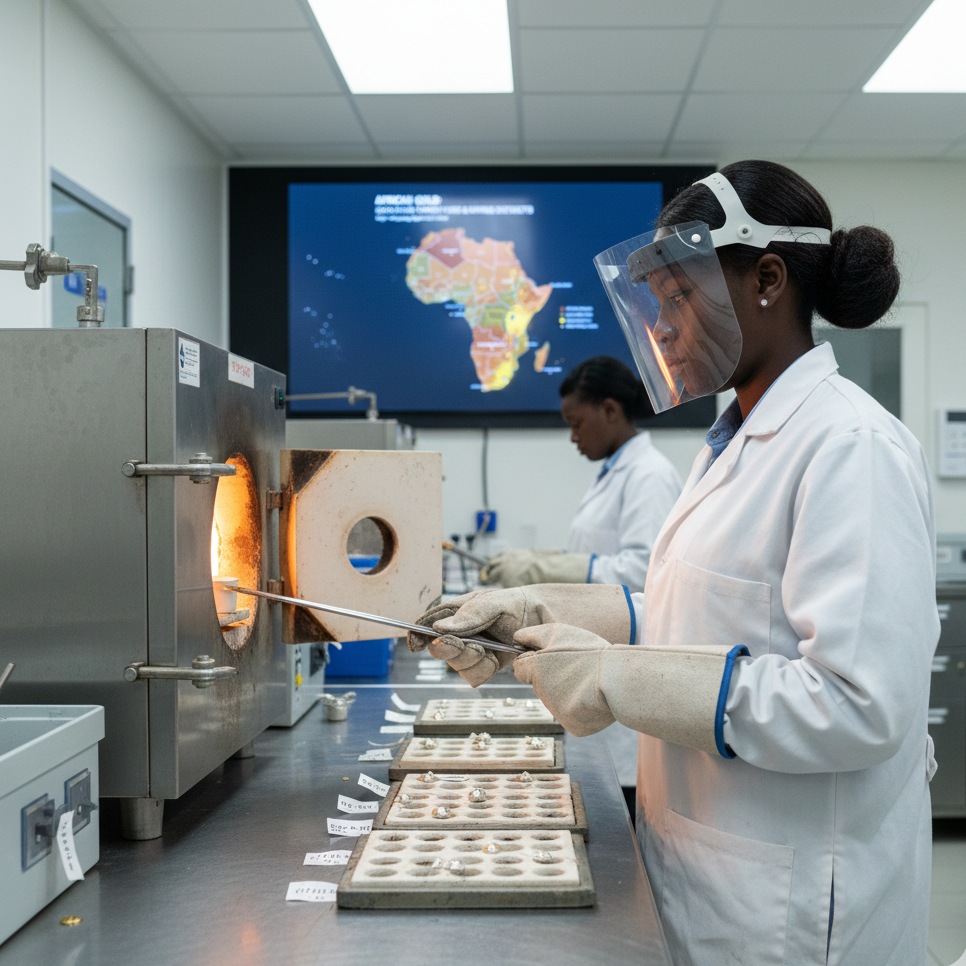
The procurement sequence adapts to each country’s regulatory framework while maintaining consistent documentation standards. Ghana-sourced material undergoes verification at Precious Minerals Marketing Company laboratories following Minerals and Mining Act protocols. South African acquisitions move through LBMA-certified assay facilities under Precious Metals Act oversight, with SARS tax clearance documentation. South Sudanese material receives ministry-approved testing before export authorization. Upon certification of purity and weight, export permits are secured from relevant authorities, followed by customs processing and insured transit to international departure points—Kotoka International Airport (Accra), OR Tambo International Airport (Johannesburg), or Juba International Airport. Documentation packages include assay certificates, export permits, tax compliance verification, and bills of lading—essential elements for satisfying destination market requirements in international gold trading.
Global Demand Patterns by Source Country
Destination markets demonstrate preferences aligned with source characteristics. United States buyers seeking consistent volume favor gold export from Ghana due to its formalized small-scale channels and reliable documentation. European refineries prioritizing LBMA Good Delivery compliance source substantially from South Africa’s industrial operations with century-refined quality controls. Chinese importers pursuing long-term supply security engage with South Africa gold exporters accessing the Witwatersrand’s massive reserves. The United Arab Emirates receives material from multiple jurisdictions—Ghana for volume, South Africa for quality, and South Sudan for emerging supply—leveraging Dubai’s refining infrastructure as a transshipment hub. These patterns reflect sophisticated buyer understanding that “richest” requires nuanced evaluation: Ghana for current flow, South Africa for geological endowment, and diversified portfolios for supply resilience.
Operational Advantages for Institutional Buyers
International buyers engage established African gold exporters to navigate jurisdictional complexities while securing supply aligned to their strategic priorities. Africa Gold Reserve mitigates challenges through permanent regional offices across Ghana, South Africa, South Sudan, and the United Kingdom, direct relationships with licensed producers in production-leading and reserve-rich jurisdictions, and integrated export management. The company maintains visibility across the entire procurement chain—from Ghana’s high-volume small-scale sites to South Africa’s deep-level reserve operations—providing buyers with complete documentation packages that reduce settlement risk and ensure material specifications match contractual terms. This operational transparency proves particularly valuable for refineries and institutional investors requiring verifiable supply chain records when seeking to buy gold from Africa through trusted gold exporters.

Sustainable Supply Chain Development
Africa’s gold sector continues evolving toward greater formalization as governments recognize that structured channels maximize fiscal revenue while reducing illicit outflows. Countries increasingly mandate government verification of exports with documentation requirements that responsible exporters support through transparent practices. Companies investing in local compliance infrastructure across multiple jurisdictions position themselves as preferred partners for both regulatory authorities and international buyers seeking either production volume or reserve-backed security. Africa Gold Reserve’s multi-year footprint across Ghana (production leader), South Africa (reserve leader), and South Sudan (emerging source)—coupled with documented export history to global markets—provides the foundation for reliable partnerships bridging Africa’s complementary gold endowments with international demand.
For international buyers, identifying which African country is “richest in gold” depends on strategic priorities: Ghana for current production volume, South Africa for remaining reserves and historical legacy, or diversified portfolios spanning multiple jurisdictions for supply resilience. Success depends not on simplistic rankings but on engaging established procurement partners who navigate these distinctions with procedural discipline. Africa Gold Reserve’s field presence across production-leading and reserve-rich jurisdictions, commitment to regulatory compliance, and track record serving international buyers provides the foundation for reliable partnerships connecting Africa’s complementary gold endowments with global market demand through compliant, professional channels in international gold trading.
africagoldreserve.com
sales@africagoldreserve.com