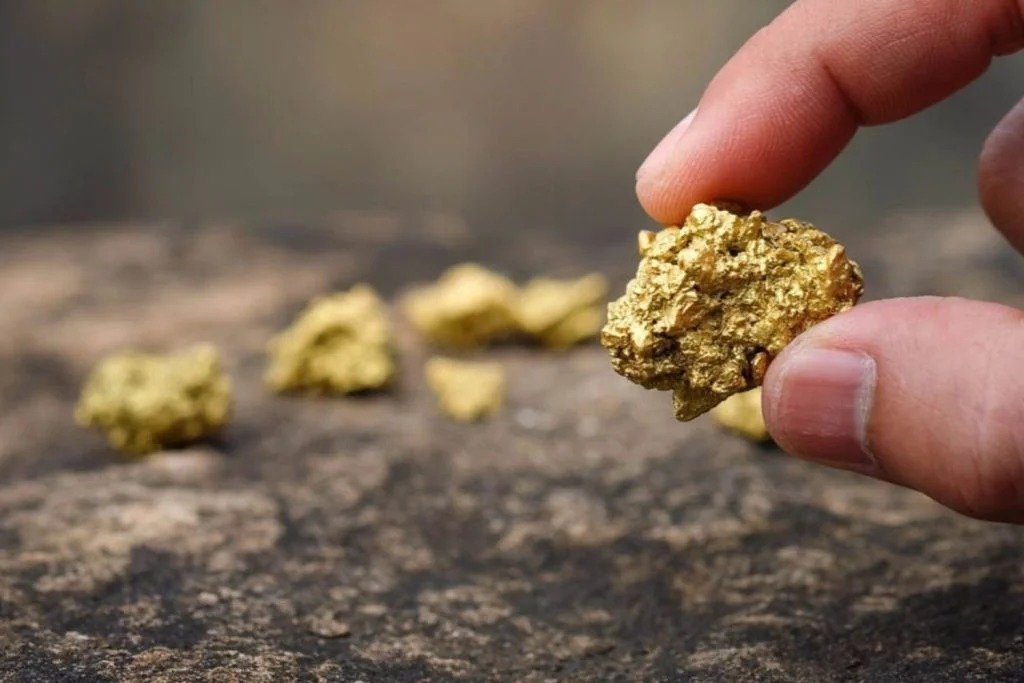

Who Discovered Gold in South Africa? From Early Finds to the Witwatersrand Breakthrough
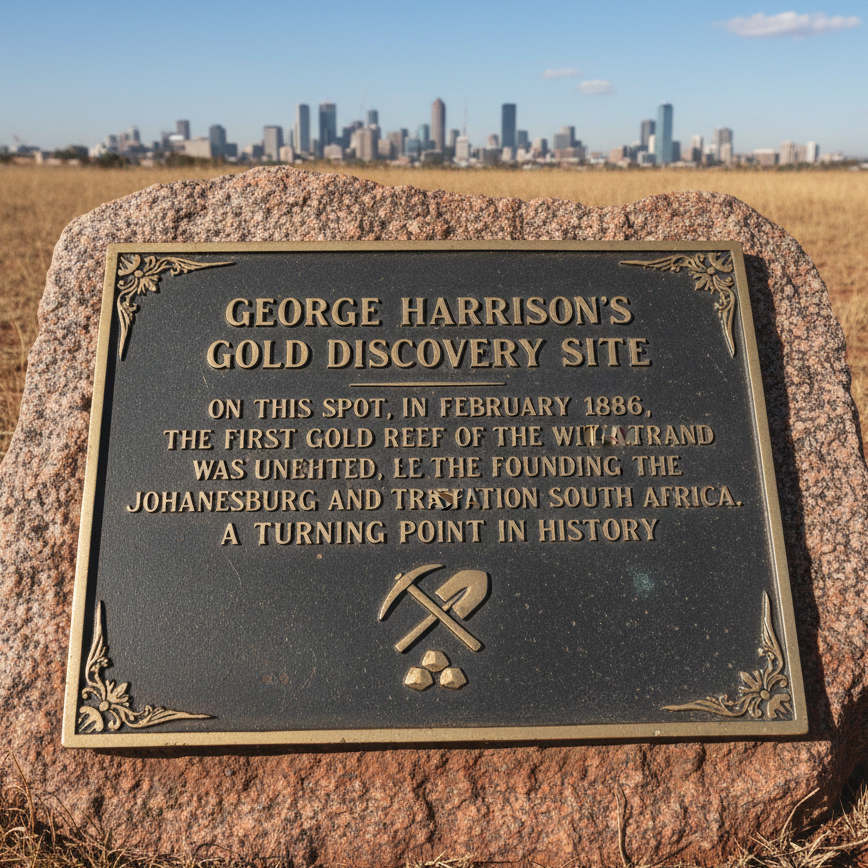
The discovery of gold in South Africa unfolded in stages, but the individual most credited with triggering the nation’s transformative gold rush was George Harrison, an Australian prospector who uncovered a major gold reef on the Witwatersrand in 1886.
Early Discoveries
While Harrison’s find was the most consequential, he was not the first to encounter gold in South Africa:
- 1852: Small quantities were noted near Rustenburg by geologist J.H. Reuther, but deemed uneconomical.
- 1873: Jan Gerrit Bantjes, a South African prospector, discovered payable gold near Krugersdorp in the Transvaal. This led to minor local interest but no large-scale rush.
The 1886 Breakthrough
In March 1886, George Harrison—working as a construction contractor—stumbled upon outcrops of gold-bearing rock on the farm Langlaagte, located on the Witwatersrand ridge. He filed a claim and reported his find to the authorities, sparking immediate interest.
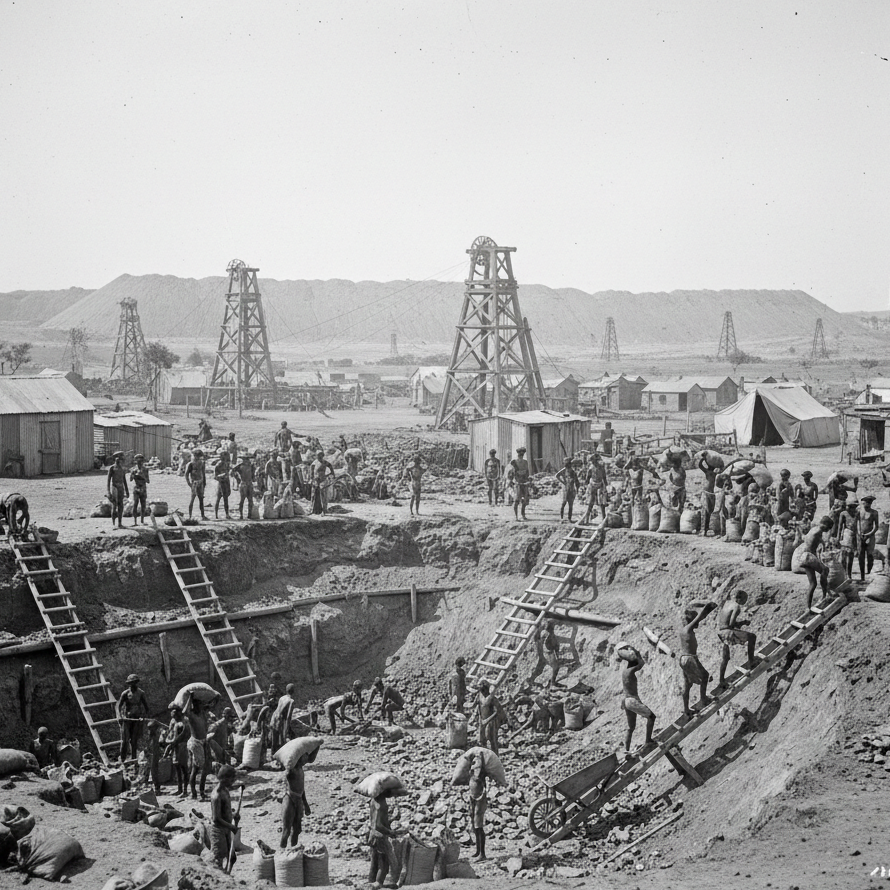
Harrison’s discovery revealed the Main Reef, part of the vast Witwatersrand Basin, which would go on to become the richest gold deposit ever found, producing over 40,000 tonnes—more than 40% of all gold mined in human history.
Impact and Legacy
Harrison sold his claim for a modest sum and left South Africa shortly after, never profiting significantly from his discovery. Yet his find directly led to:
- The founding of Johannesburg (the “City of Gold”)
- A massive influx of prospectors and capital
- British imperial expansion and the eventual Anglo-Boer Wars
- South Africa becoming the world’s top gold producer for much of the 20th century
Modern Context
Today, South Africa’s gold industry is governed by strict regulations under the Mineral and Petroleum Resources Development Act (MPRDA) and the Mining Charter. While deep-level mining continues (e.g., Mponeng Mine, over 4 km deep), much of the focus has shifted to formalizing small-scale operations and ensuring ethical sourcing.
Companies like Africa Gold Reserve—operating across Ghana, South Africa, South Sudan, and the UK—source gold exclusively from licensed local mines and registered small-scale miners, ensuring compliance with OECD Due Diligence Guidance and LBMA Responsible Gold standards.
Conclusion
While several individuals encountered gold in South Africa before him, George Harrison is rightly credited with the 1886 discovery that changed history. His find unlocked the Witwatersrand Basin and reshaped a nation. Today, that legacy endures—not in chaotic rushes, but in disciplined, compliant supply chains that serve global markets.
Website: africagoldreserve.com
Email: sales@africagoldreserve.com