
Who Mines Gold in Africa: Understanding the Continent’s Diverse Production Landscape
Africa’s gold production originates from a diverse ecosystem of mining actors operating across vastly different scales and regulatory environments. From multinational corporations operating deep-level industrial mines to individual artisanal miners working alluvial deposits, the continent’s gold supply reflects a complex mosaic of extraction methods and organizational structures. For international buyers seeking reliable supply, understanding who actually mines Africa’s gold—and how these producers interface with formal export channels—is essential to navigating procurement decisions in this strategically important market.
Industry Structure: Three Tiers of Production
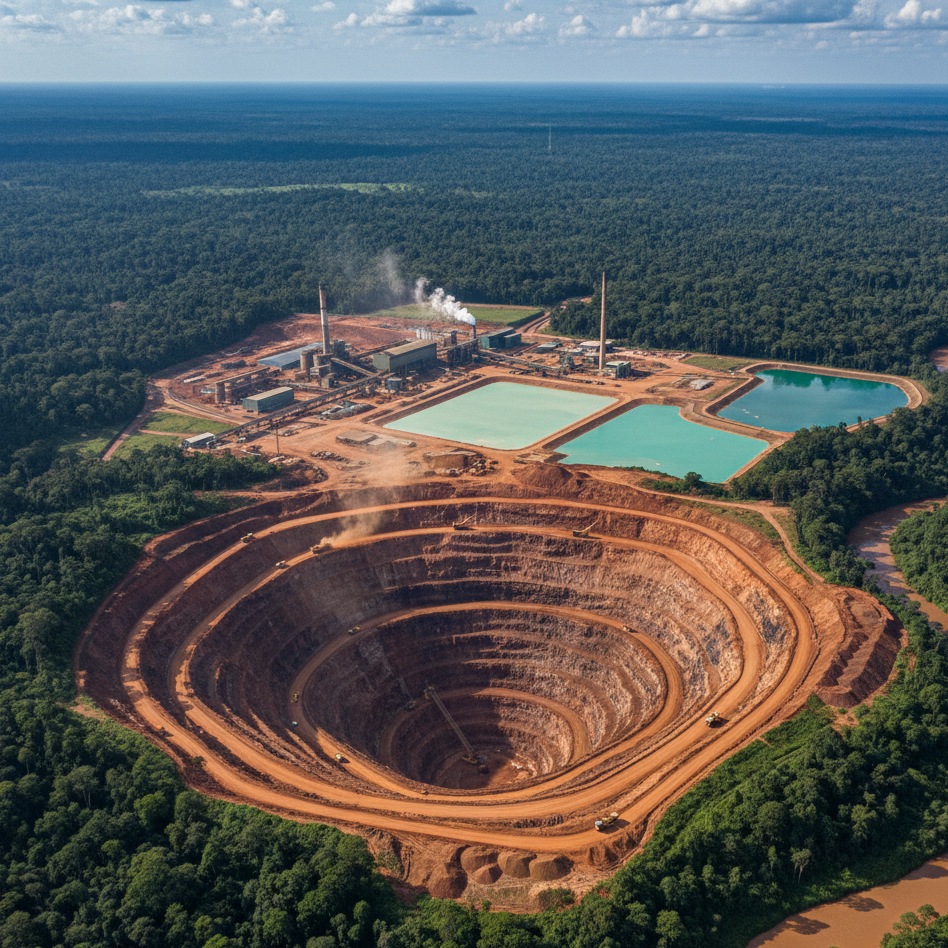
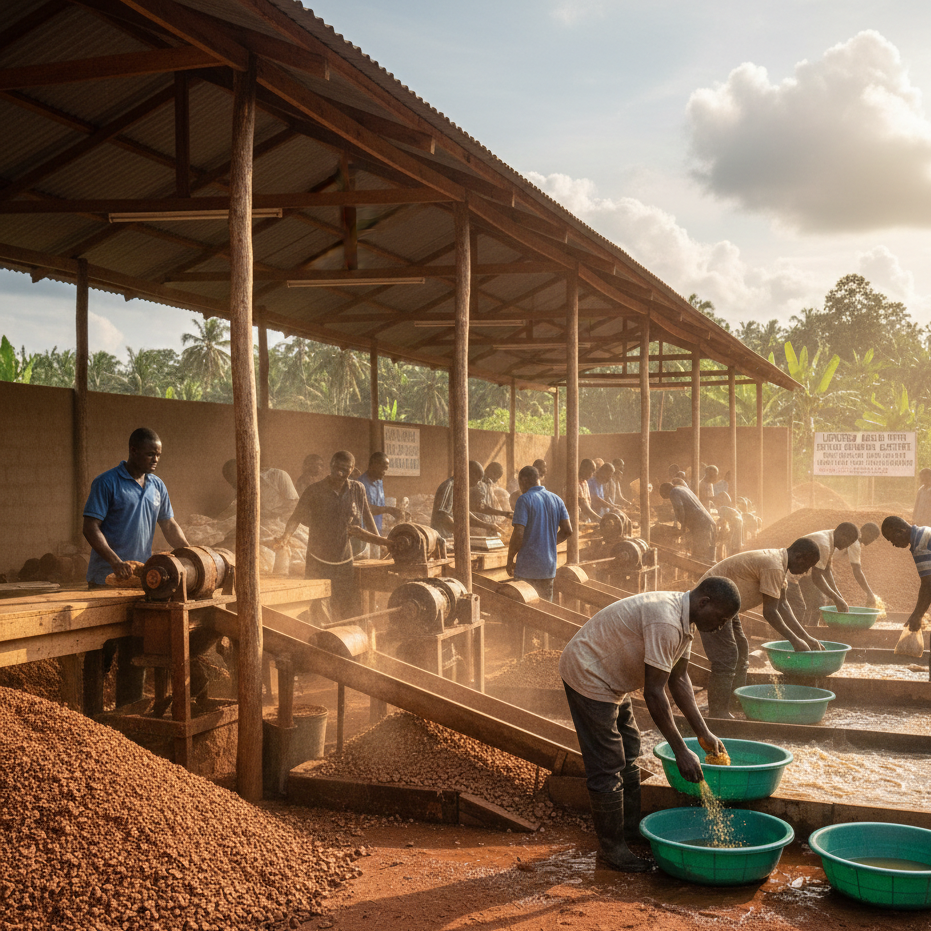
African gold mining operates across three distinct tiers defined by scale, capital intensity, and regulatory oversight. Industrial mining houses represent the first tier, operating mechanized underground and open-pit mines requiring substantial capital investment and technical expertise. These corporations—including both multinational firms and locally incorporated entities—account for approximately 60 percent of Africa’s formal gold production, with operations concentrated in Ghana, South Africa, Tanzania, and Mali. The second tier comprises licensed small-scale miners operating under national mining codes that grant legal access to designated mining areas, typically employing semi-mechanized methods and employing between five and fifty workers. The third tier consists of artisanal miners—individuals or small groups using manual techniques to extract alluvial or near-surface hard rock deposits. While artisanal production historically moved through informal channels, countries including Ghana and South Sudan have progressively formalized these flows through licensed aggregators who consolidate material for government verification before export.
Regional Production Profiles
Ghana’s gold sector features a dual structure with industrial operations concentrated in the Ashanti, Western, and Eastern regions alongside regulated small-scale mining formalized under the Minerals and Mining Act. Major mining houses operate large-scale facilities while thousands of licensed small-scale miners work designated plots, with output channeled through government-approved buying centers before export verification. South Africa’s production derives almost exclusively from industrial operations in the Witwatersrand Basin, where deep-level mines extending beyond three kilometers below surface require sophisticated engineering and substantial capital. Artisanal mining remains minimal due to geological constraints and regulatory frameworks favoring industrial extraction. South Sudan represents a contrasting model where artisanal production dominates in Eastern and Central Equatoria states, with formalization efforts gradually integrating these operations into licensed export channels through ministry-approved aggregators. Tanzania, Mali, and Burkina Faso exhibit hybrid models with significant contributions from both industrial operations and formalized artisanal sectors.
Regulatory Frameworks Governing Miners
National mining codes determine who may legally extract gold and under what conditions. Ghana restricts small-scale mining licenses to Ghanaian nationals while permitting foreign investment in industrial operations through joint ventures or wholly owned subsidiaries registered locally. South Africa’s Minerals and Petroleum Resources Development Act declares mineral rights state property, requiring mining companies to secure rights through application processes emphasizing economic empowerment and community development commitments. South Sudan’s Mining Act establishes licensing categories for artisanal, small-scale, and large-scale operations, with recent emphasis on formalizing artisanal activity through licensed aggregators who consolidate production for government verification. These regulatory structures create distinct entry points for different mining actors while establishing pathways for material to enter legitimate export channels—critical considerations for international buyers requiring supply chain transparency.
Africa Gold Reserve’s Sourcing Approach
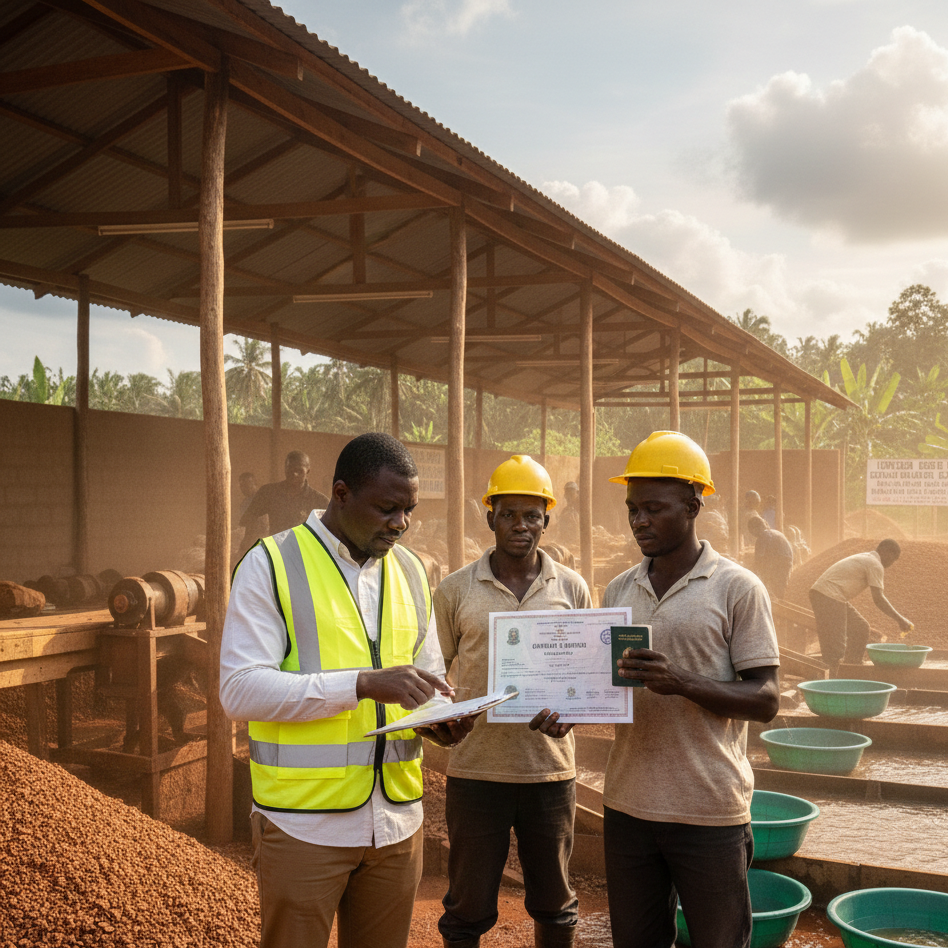
Africa Gold Reserve has maintained field operations across Ghana, South Africa, and South Sudan since 2015, developing direct relationships with licensed producers across the small-scale and artisanal tiers while respecting jurisdiction-specific regulatory boundaries. Headquartered in South Africa with additional operations in the United Kingdom, the company does not engage in mining operations itself but sources material exclusively from legally authorized producers. Field representatives verify mining licenses and land rights before material evaluation, then oversee supervised transport to government assay facilities—Ghana’s Precious Minerals Marketing Company laboratories, South Africa’s LBMA-certified centers, or South Sudan’s ministry-approved verification points. This approach ensures chain-of-custody integrity from licensed producer to export clearance, generating documentation packages that satisfy international due diligence standards including OECD guidance. The company’s multi-jurisdictional footprint enables flexible supply sourcing aligned with buyer specifications regarding volume, origin verification, and destination market requirements.
From Mine Site to Export Verification
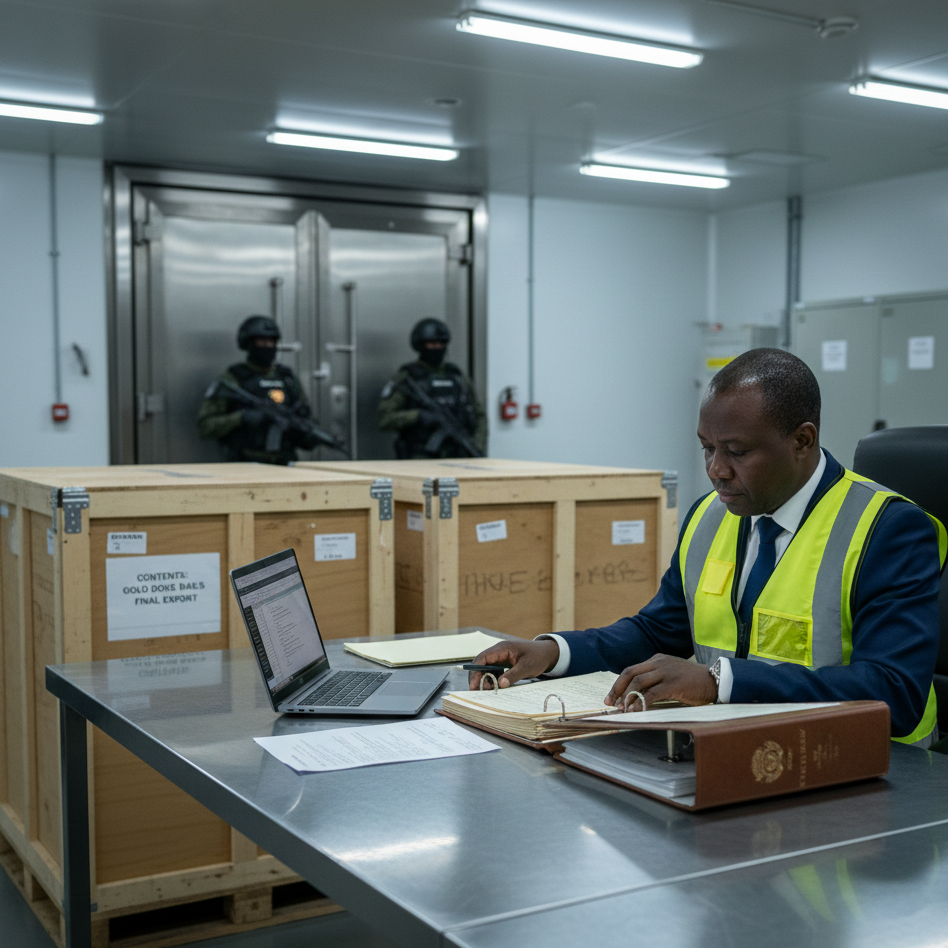
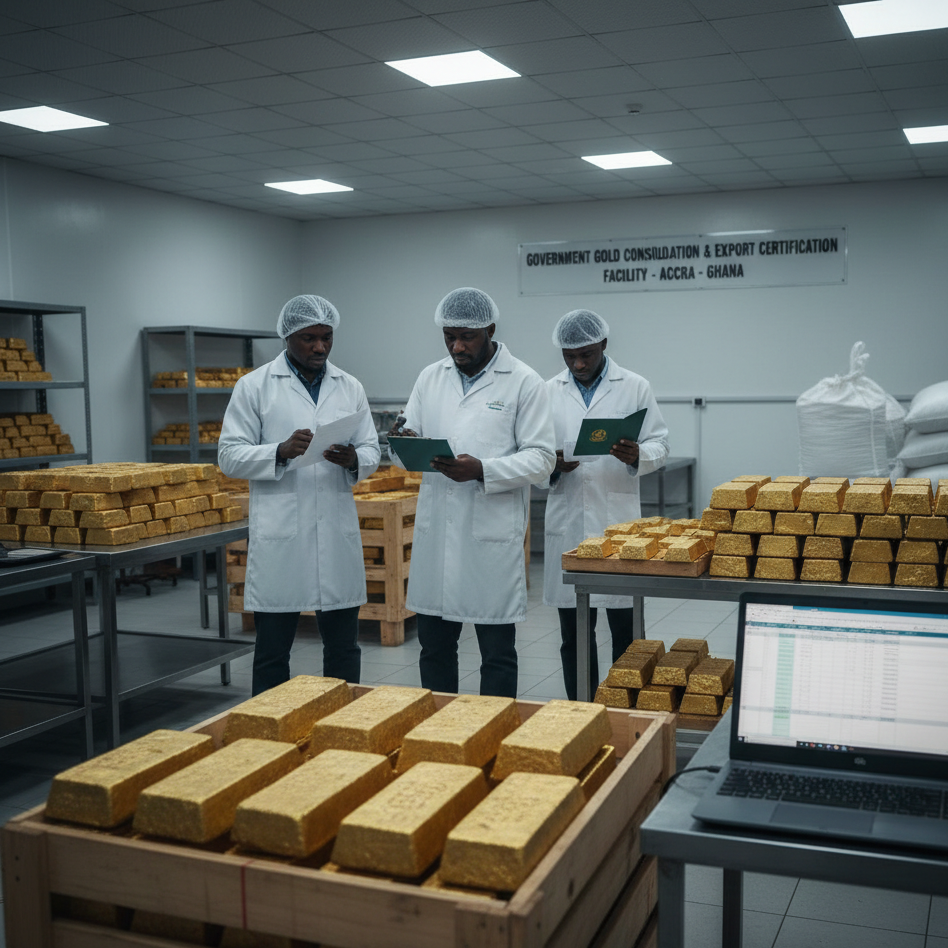
The procurement sequence begins with source verification where Africa Gold Reserve representatives confirm the producer holds valid mining authorization under applicable national law. Material is then transported under dual supervision to government verification facilities for official assay certification of purity and weight. Upon certification, export permits are secured from relevant mineral authorities accompanied by tax clearance documentation from national revenue agencies. Customs declarations are processed before insured transit to international departure points—Kotoka International Airport in Accra, OR Tambo International Airport in Johannesburg, or Juba International Airport. Documentation packages delivered to buyers include assay certificates, export permits, tax compliance verification, and certificates of origin—elements essential for satisfying LBMA Good Delivery standards and international customs requirements. This structured workflow ensures material sourced from licensed small-scale and artisanal producers carries the same documentation integrity as industrial mine output.
Global Market Integration
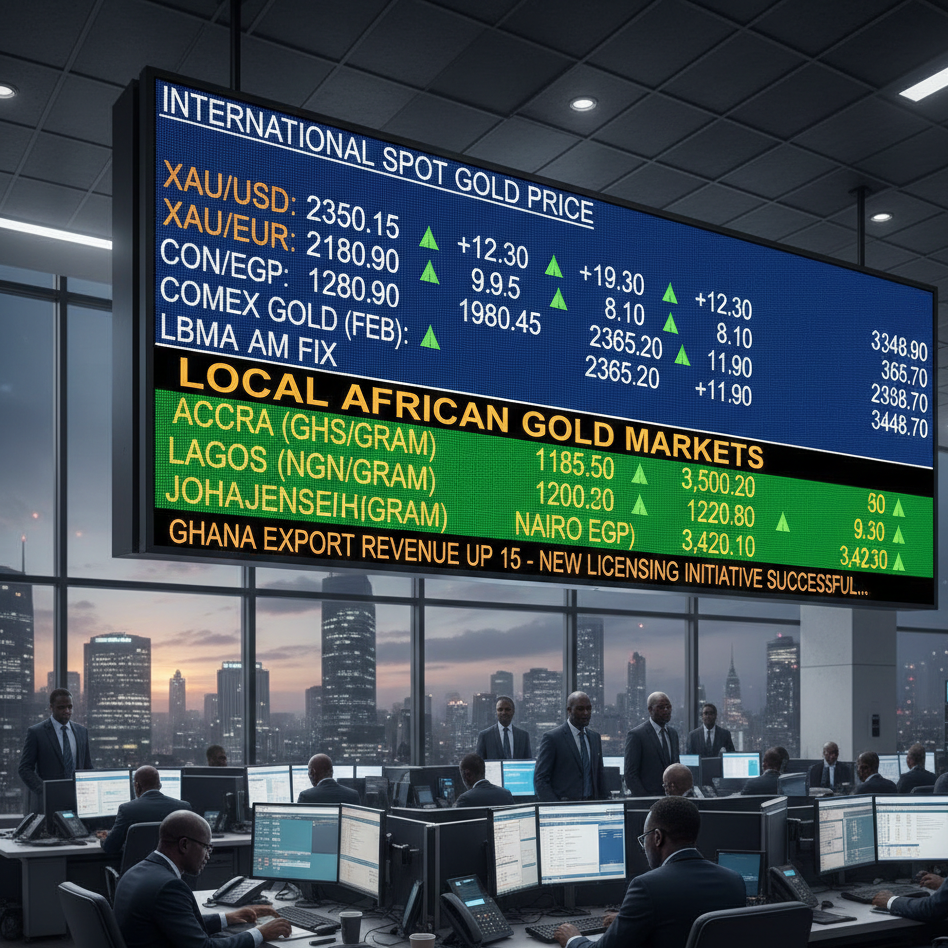
African gold from diverse mining sources flows along established international routes shaped by refining capacity and regulatory requirements. The United Arab Emirates receives substantial volumes from both industrial and formalized artisanal sources through Dubai’s refining infrastructure. United States buyers seek COMEX-compliant material regardless of mine scale, creating demand for properly documented exports from licensed producers across Africa. Chinese refineries maintain consistent appetite for feedstock supporting jewelry manufacturing and reserve accumulation. European markets prioritize LBMA Good Delivery compliance, requiring meticulous documentation that exporters with established verification procedures reliably provide. These destination-specific requirements influence buyer selection criteria, making documentation reliability as important as mine scale in international procurement decisions.
Value Proposition for International Buyers
Buyers engage established African gold exporters to address three operational priorities: documentation integrity for customs clearance regardless of mine scale, supply consistency amid production fluctuations across diverse producer networks, and logistical reliability in moving material from remote sources to international departure points. Africa Gold Reserve addresses these through permanent regional offices in mining districts, direct relationships with licensed producers across the small-scale and artisanal tiers, and integrated export management. The company maintains visibility across the procurement chain from licensed producer through final export, providing buyers with complete documentation packages that reduce settlement risk and ensure material specifications match contractual terms. This operational transparency proves particularly valuable for institutional buyers requiring verifiable supply chain records under evolving responsible sourcing regulations that increasingly recognize formalized artisanal production as legitimate supply.
Sustainable Engagement with Africa’s Mining Communities
Responsible participation in Africa’s gold trade requires recognition that legitimate supply originates from diverse mining actors operating within national regulatory frameworks. Exporters who invest in local compliance infrastructure, maintain transparent relationships with licensed producers across the scale spectrum, and adhere to documentation protocols position themselves as preferred partners for both governments and international buyers. Africa Gold Reserve’s decade of operational presence across leading producing nations, documented export history sourcing from licensed small-scale and artisanal producers, and adherence to regulatory frameworks in Ghana, South Africa, and South Sudan establish the foundation for reliable partnerships that support responsible mineral governance while delivering verifiable supply to global markets.

Africa’s gold mining landscape encompasses industrial corporations, licensed small-scale operators, and formalized artisanal producers—each contributing to continental output under evolving regulatory frameworks. For international buyers, the opportunity lies not in privileging a single mining tier but in engaging exporters who maintain transparent relationships with legally authorized producers across the spectrum, ensuring supply chain integrity regardless of mine scale. Companies that combine regulatory knowledge with operational rigor across Africa’s diverse mining ecosystem create sustainable partnerships supporting both commercial reliability and responsible mineral governance.
africagoldreserve.com
sales@africagoldreserve.com