
Why Africa Holds So Much Gold: Geological History and Continental Endowment
Africa contains approximately 30 percent of the world’s known gold reserves—more than any other continent—due to extraordinary geological processes that occurred over billions of years across stable ancient crustal formations called cratons. Unlike younger continents reshaped by recent tectonic activity, Africa’s core preserves exceptionally ancient rock sequences that captured and concentrated gold during critical periods of Earth’s formation. Understanding these geological foundations explains not only Africa’s current production of 600+ metric tons annually but also its long-term supply security for global markets.
Industry Context: Ancient Cratons and Gold Formation
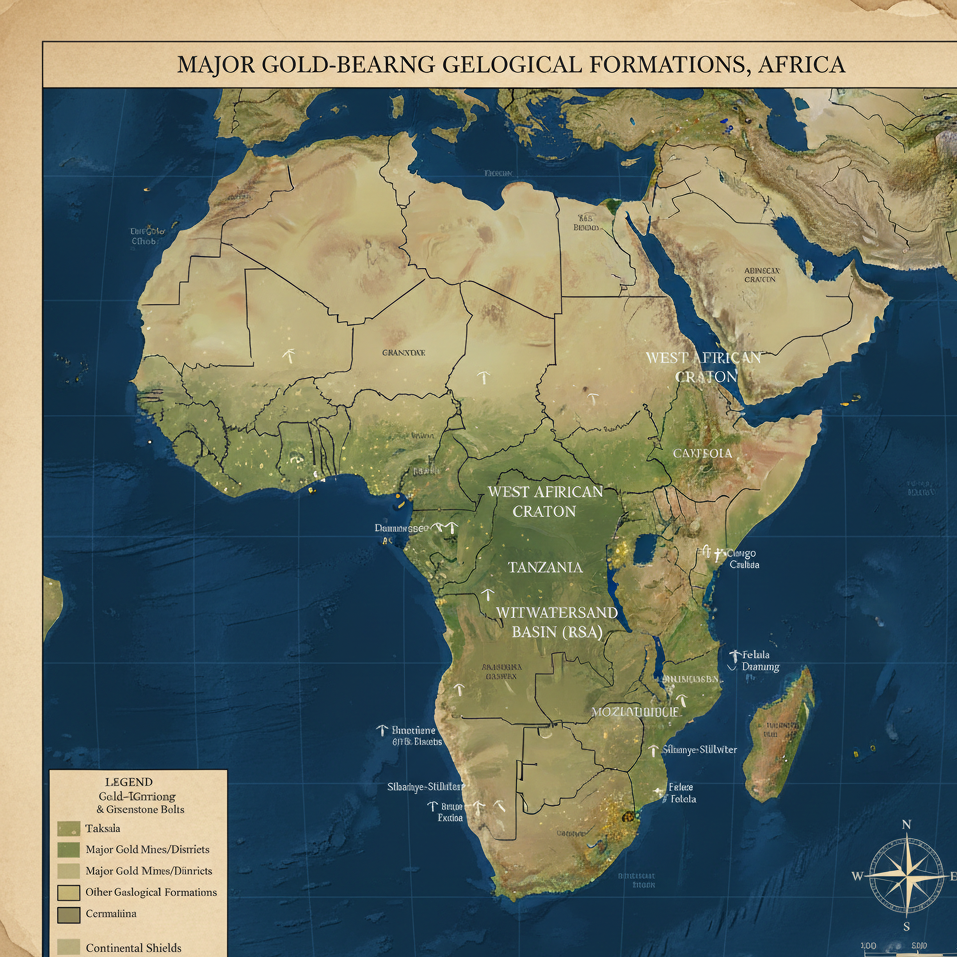
Africa’s gold abundance stems from its geological antiquity. The continent’s core consists of several Archean cratons—stable continental fragments formed 2.5 to 3.6 billion years ago when Earth’s crust first stabilized. These ancient blocks experienced unique conditions during the Archean and Proterozoic eons that concentrated gold through three primary mechanisms:
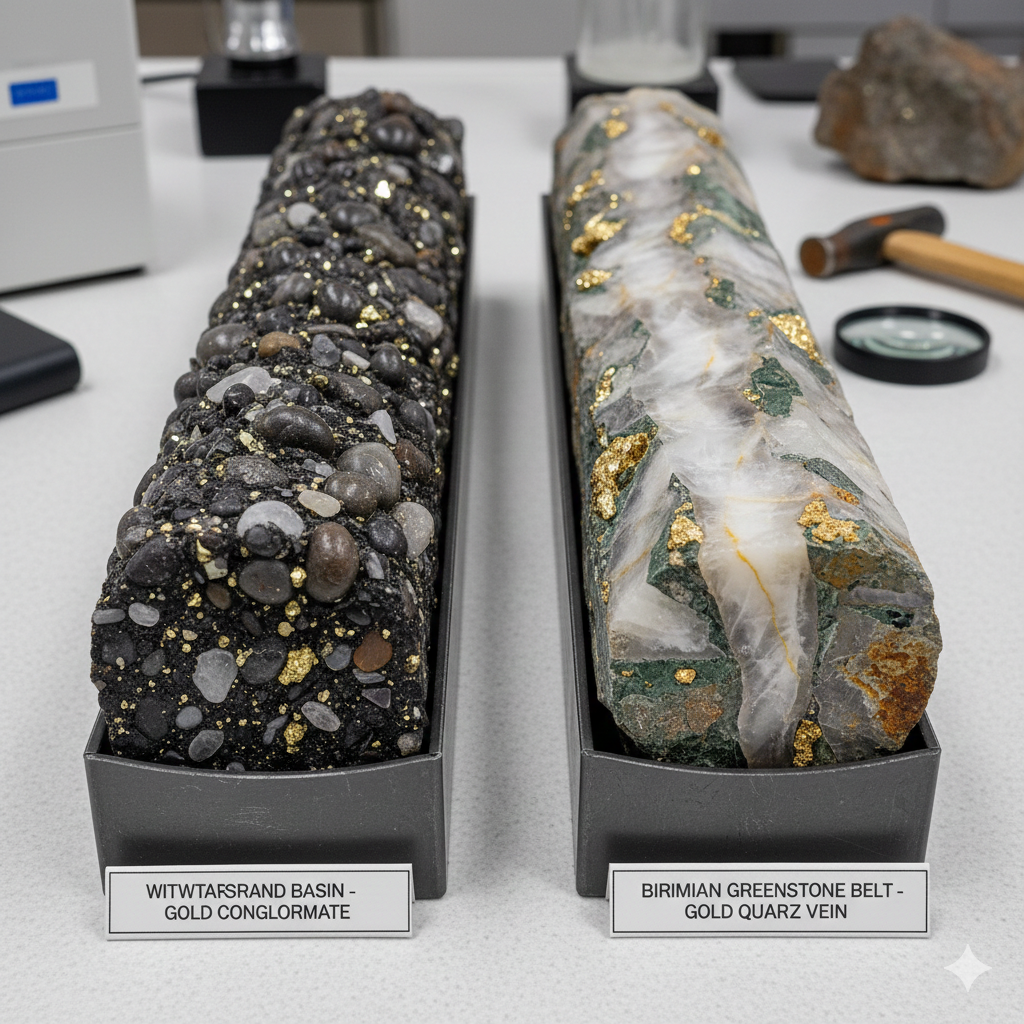
The Witwatersrand Basin in Southern Africa formed approximately 3 billion years ago when gold-rich sediments accumulated in ancient river deltas and shallow marine environments. Bacteria in these oxygen-poor waters may have played a role in precipitating dissolved gold from water columns, creating the conglomerate reefs that now constitute the world’s largest gold resource—over 40,000 metric tons extracted since 1886 with an estimated 6,000 metric tons remaining.
West Africa’s Birimian greenstone belts formed 2.1 billion years ago through intense volcanic activity and hydrothermal processes associated with continental collision. Hot, mineral-rich fluids circulated through fractures in volcanic rock, depositing gold in quartz veins and shear zones as temperatures and pressures changed—a process that created extensive, mineable concentrations across Ghana, Mali, Burkina Faso, and Côte d’Ivoire.
East Africa’s Mozambique Belt experienced gold concentration more recently—over the past 600 million years—through tectonic activity associated with the assembly and breakup of supercontinents. Metamorphism and deformation concentrated gold along structural weaknesses, creating both hard-rock deposits and secondary alluvial concentrations in river systems.
These ancient formation events occurred during windows of Earth’s history when specific geochemical and tectonic conditions enabled exceptional gold concentration—conditions not replicated at the same scale on younger continents.
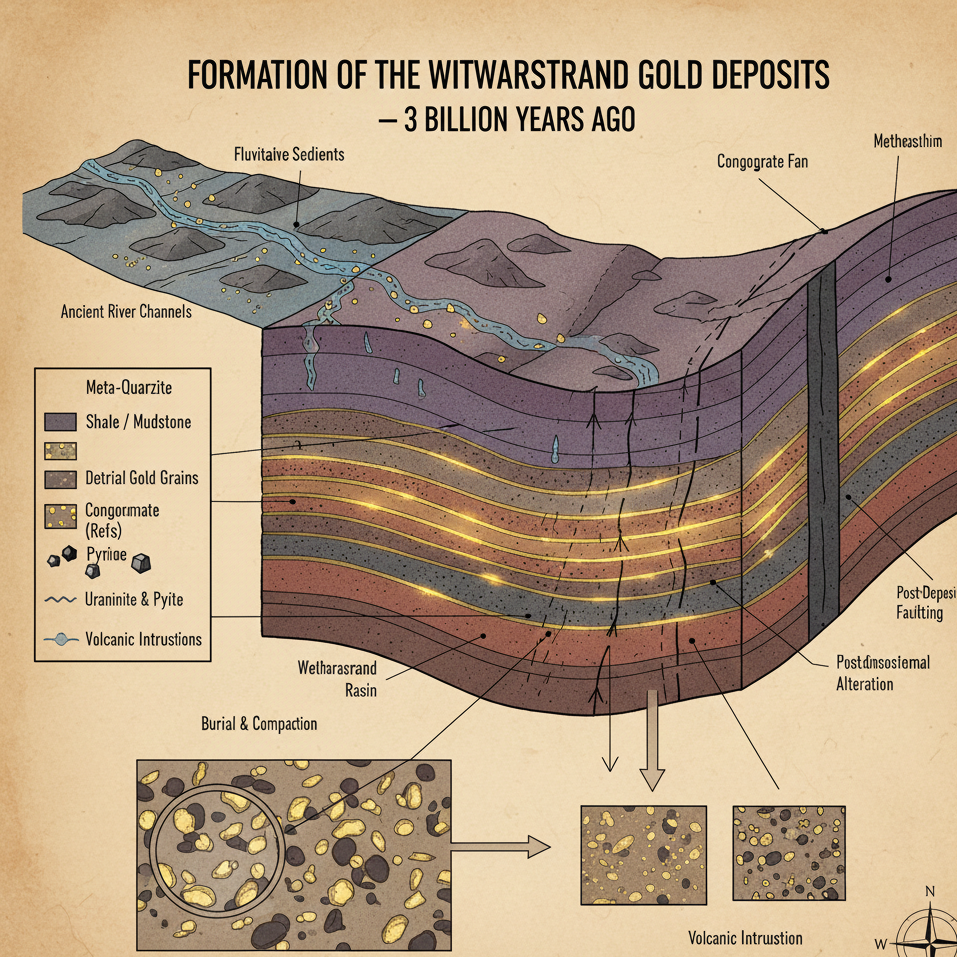
Regional Geological Distribution
South Africa’s Witwatersrand Basin remains geologically unique—its 3-billion-year-old conglomerate reefs contain gold concentrations unmatched elsewhere on Earth. While annual production has declined from historical peaks, remaining reserves ensure South Africa’s continued significance among global producers. Ghana’s gold originates primarily from the Birimian greenstone belts stretching across the Ashanti, Western, and Eastern regions, with both primary vein deposits and secondary alluvial concentrations supporting diverse operational models. Tanzania, Mali, and Burkina Faso similarly host Birimian-related deposits with varying geological expressions. South Sudan’s gold occurs within extensions of the Mozambique Belt, featuring both hard-rock occurrences and alluvial concentrations in river systems—predominantly exploited through artisanal methods gradually transitioning into formalized channels.
Africa Gold Reserve’s Geological Integration
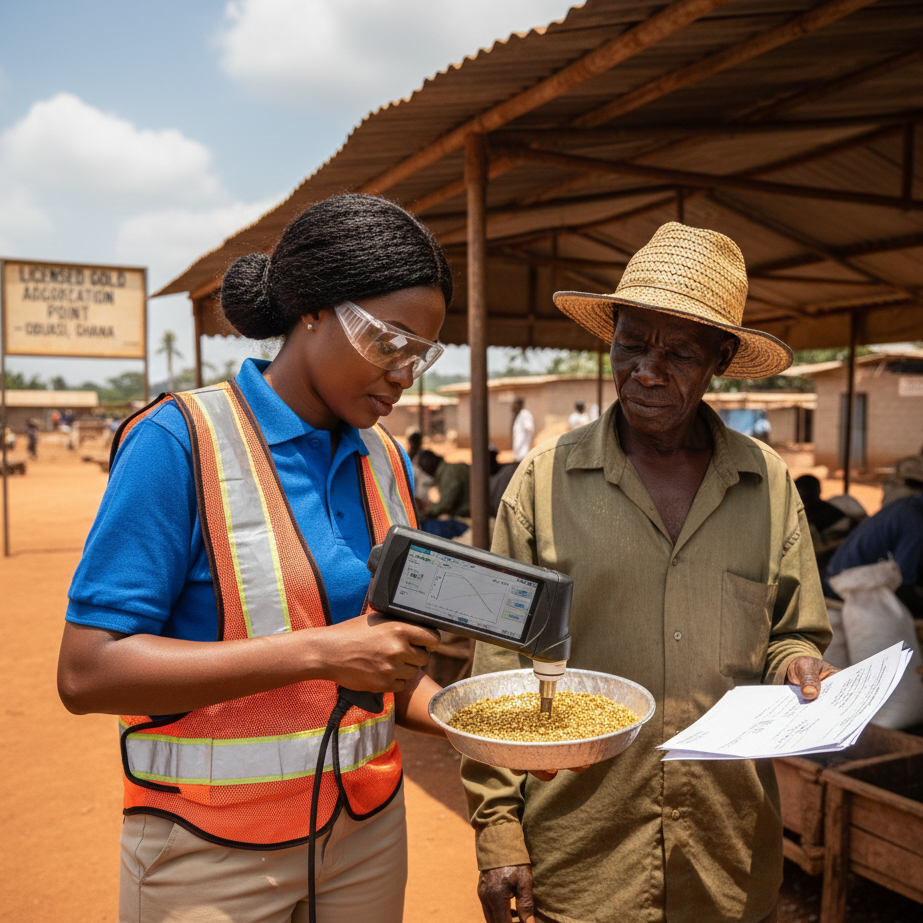
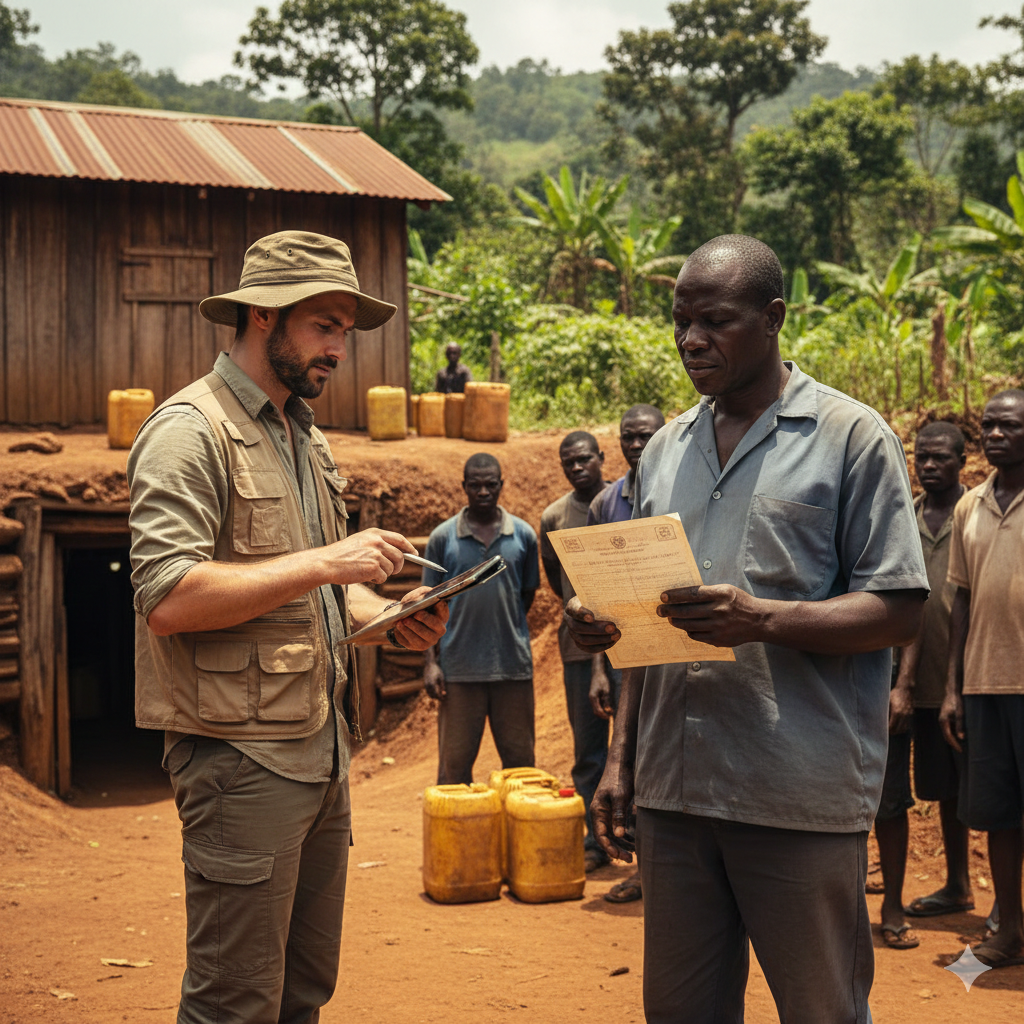
Africa Gold Reserve, founded in 2015 and headquartered in South Africa, maintains field operations across Ghana, South Africa, and South Sudan to access gold originating from these distinct ancient geological provinces through compliant channels. The company does not engage in mining but establishes direct procurement relationships with licensed producers extracting from Witwatersrand deep-level operations, Birimian belt industrial and small-scale sites, and Mozambique Belt formalized artisanal sources. Field representatives verify mining licenses and geological provenance before material acquisition, ensuring chain-of-custody integrity from geologically defined sources through government assay verification. This approach generates documentation packages satisfying OECD Due Diligence Guidance requirements while providing buyers transparent provenance tracing material to specific ancient formations. Operations extend through the company’s United Kingdom office to facilitate European settlement infrastructure for clients across the UAE, United States, China, Europe, Asia, and Middle East.
Procurement and Verification Workflow
The procurement sequence begins with source verification confirming both operational legitimacy and geological origin within Africa’s ancient formations. Material undergoes supervised transport to government-approved assay facilities: Ghana’s Precious Minerals Marketing Company laboratories for Birimian belt production, South Africa’s LBMA-certified centers for Witwatersrand output, or South Sudan’s ministry-approved testing points for Mozambique Belt material. Upon certification of purity and weight, export permits are secured from relevant mineral authorities accompanied by tax clearance documentation. Customs declarations are processed before insured transit to international departure points—Kotoka International Airport in Accra, OR Tambo International Airport in Johannesburg, or Juba International Airport. Documentation packages include assay certificates specifying geological origin within Africa’s ancient cratons, export permits, tax compliance verification, and bills of lading—essential elements for satisfying destination market requirements in international gold trading.
Global Demand for Geologically Unique Supply
African gold flows along established international routes shaped by recognition of the continent’s unique geological endowment. European refineries often favor Witwatersrand-derived material for its consistent metallurgical characteristics developed through century-refined processing protocols of 3-billion-year-old reefs. United States buyers sourcing gold export from Ghana value Birimian belt material for its accessibility and formalized small-scale channels within 2.1-billion-year-old greenstone belts. Chinese importers maintain demand across geological sources for jewelry manufacturing and strategic reserves. The United Arab Emirates receives material from multiple ancient formations via trade routes such as South Sudan to UAE, leveraging Dubai’s refining infrastructure to process diverse feedstocks from Africa’s cratonic foundations.
Value Proposition: Geological Transparency
International buyers engage established African gold exporters to secure supply with unambiguous geological provenance—not material of obscured origin. Africa Gold Reserve addresses this through permanent regional offices across its operations in Ghana, South Africa, South Sudan, and the United Kingdom, direct relationships with licensed producers across multiple ancient geological provinces, and integrated export management. The company maintains visibility across the entire procurement chain—from Africa’s ancient cratons through final export—providing buyers with documentation packages that specify formation origin alongside operational details. This geological transparency proves particularly valuable for refineries requiring consistent feedstock characteristics and institutional investors seeking supply chain integrity when engaging with trusted gold exporters.
Sustainable Engagement with Ancient Endowment
Africa’s gold sector continues evolving toward greater formalization as governments recognize that structured channels maximize fiscal revenue from ancient geological resources while reducing illicit outflows. Countries increasingly mandate government verification of exports with documentation specifying both operational source and geological formation—requirements that responsible exporters support through transparent practices. Companies investing in local compliance infrastructure across multiple ancient provinces position themselves as preferred partners for both regulatory authorities and international buyers seeking supply from Earth’s oldest gold-bearing formations.
Africa’s extraordinary gold endowment exists because the continent preserves ancient crustal fragments formed during unique windows of Earth’s history when specific conditions enabled exceptional gold concentration. These 3-billion-year-old Witwatersrand sediments, 2.1-billion-year-old Birimian volcanic systems, and 600-million-year-old Mozambique Belt structures represent irreplaceable geological heritage—not replicable resources. For international buyers, this ancient endowment provides supply security unavailable on younger continents. Africa Gold Reserve’s field presence across these geological provinces, commitment to regulatory compliance, and track record serving international buyers provides the foundation for reliable partnerships connecting Africa’s ancient gold heritage with global market demand through compliant, professionally managed channels in international gold trading.
africagoldreserve.com
sales@africagoldreserve.com