
Why Gold Held Enduring Significance in African Civilizations
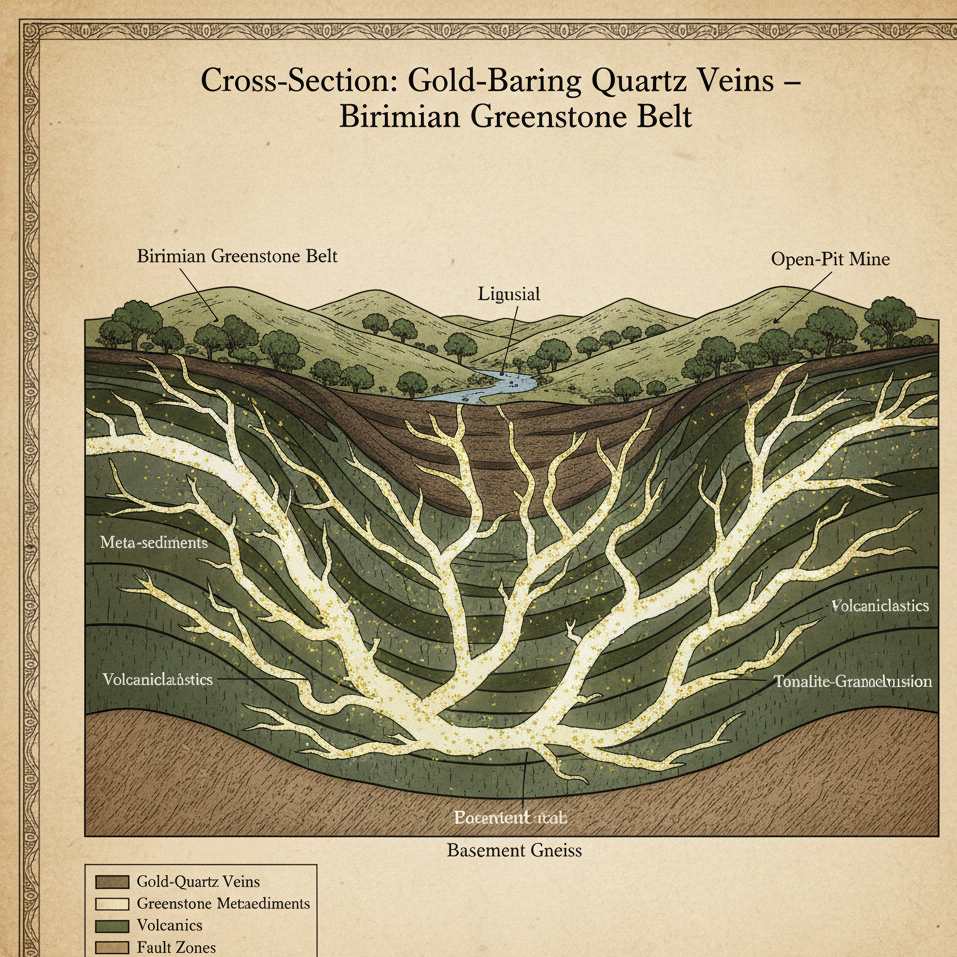
Gold has shaped Africa’s economic, political, and cultural trajectory for millennia—not as a colonial introduction but as a foundational element of indigenous state formation, transcontinental trade, and cultural expression. Archaeological evidence confirms gold mining in Nubia and Egypt dating to 2000 BCE, while West African empires leveraged gold wealth to build sophisticated states and finance trans-Saharan commerce centuries before European contact. Understanding gold’s historical importance in Africa corrects persistent misconceptions about the continent’s economic agency and provides context for its continued strategic role in contemporary national economies and global supply chains.
Economic Foundations of Pre-Colonial States
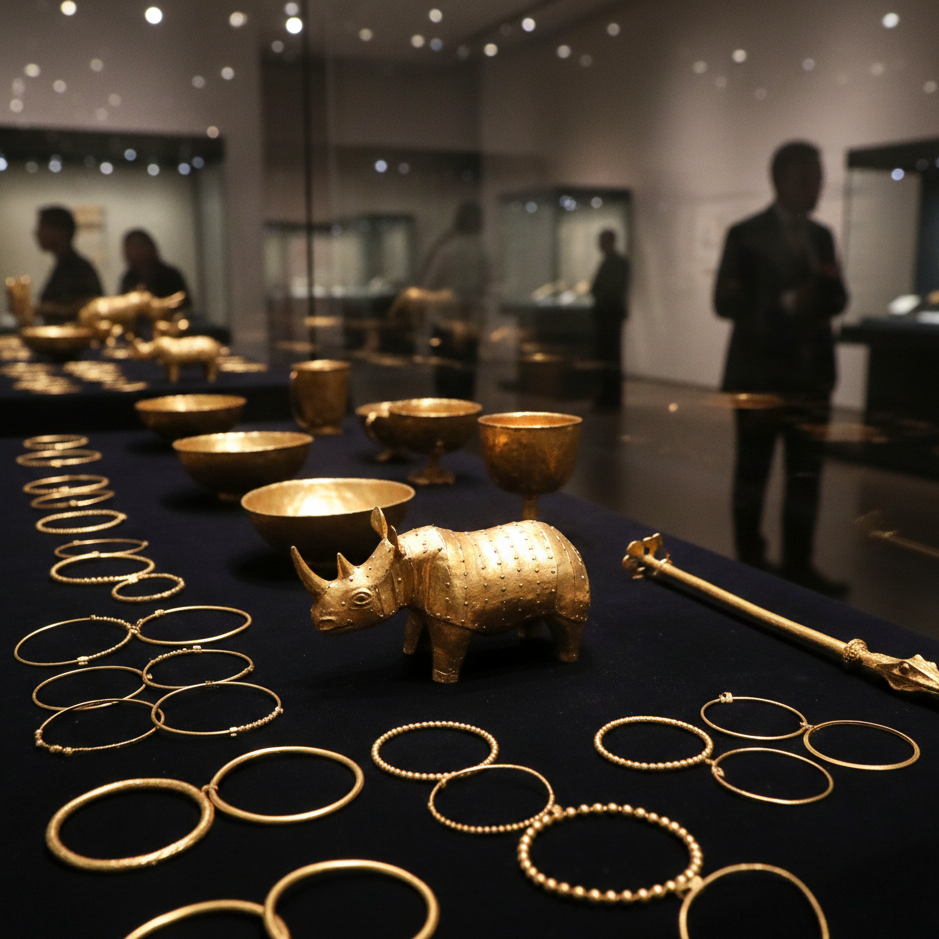
Gold served as the economic engine for several major African civilizations that predated European colonization by centuries. The Ghana Empire (circa 300–1200 CE), centered in the Sahel region north of modern Ghana, derived substantial wealth from controlling gold fields near Bambuk and Bure while maintaining gold’s value through strategic scarcity—rulers restricted gold nugget circulation, permitting only gold dust as currency to preserve state reserves. The Mali Empire (1235–1670 CE) expanded this model, with Mansa Musa’s legendary 1324 pilgrimage to Mecca demonstrating gold’s role in projecting political power; his caravan’s distribution of gold in Cairo temporarily depressed regional prices for years. In southern Africa, the Kingdom of Mapungubwe (1075–1220 CE) and later Great Zimbabwe (1100–1450 CE) developed sophisticated gold mining operations in the Zimbabwe plateau, trading gold for glass beads, Chinese porcelain, and Indian textiles through Swahili coastal intermediaries—evidence of Africa’s integration into Indian Ocean trade networks long before European arrival.
Trans-Saharan and Indian Ocean Trade Networks
Gold enabled African states to participate as equal partners in pre-colonial global commerce. Trans-Saharan routes connected West African gold producers with North African and Mediterranean markets, exchanging gold for salt, manufactured goods, and scholarly texts—facilitating not only economic exchange but also the spread of Islamic scholarship and architectural techniques that shaped cities like Timbuktu and Djenné. Simultaneously, East African gold from the Zimbabwe plateau reached as far as China and India through Swahili port cities including Kilwa and Sofala, with Chinese chronicles from the 14th century documenting African gold imports. These trade relationships operated on terms set by African producers who controlled supply sources—a dynamic that reversed only with colonial conquest and imposition of extractive economic systems designed to redirect wealth to European capitals.
Cultural and Ceremonial Significance
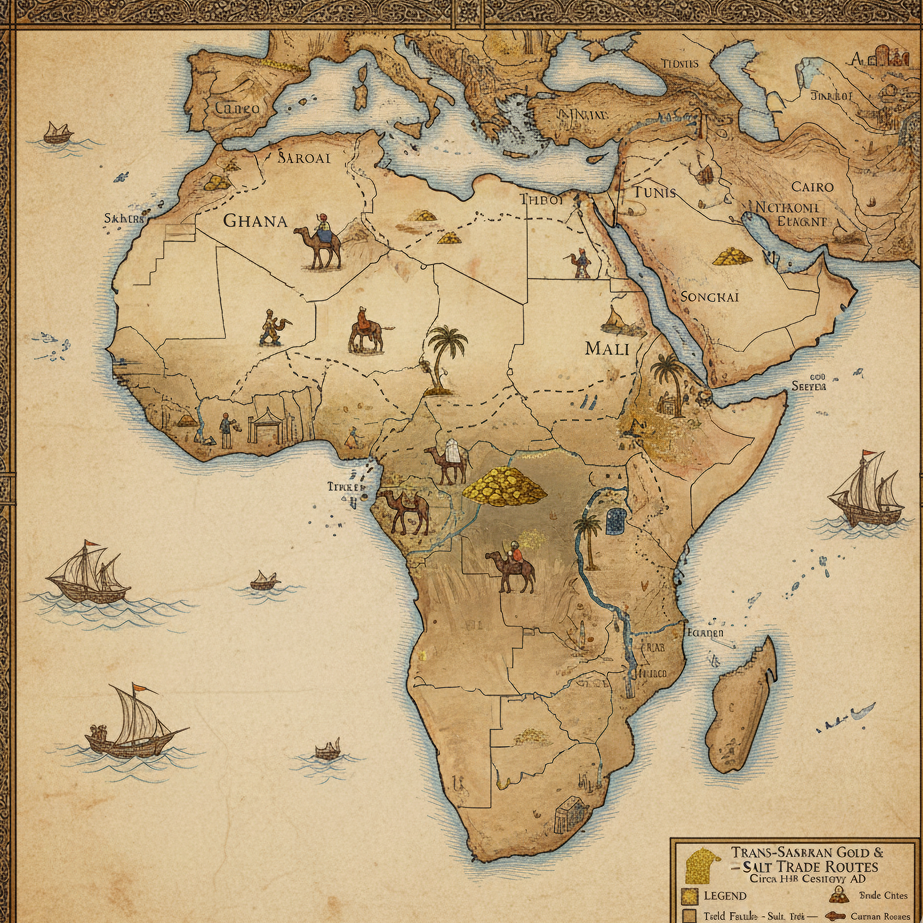
Beyond economic utility, gold held profound cultural meaning across diverse African societies. Akan peoples in present-day Ghana crafted gold weights (abrammo) used in commercial transactions while embedding proverbs and historical narratives into their designs—transforming measurement tools into repositories of cultural knowledge. Royal regalia across West and southern Africa incorporated gold to symbolize divine authority and continuity of leadership, with Ashanti kings wearing gold ornaments during state ceremonies to manifest political legitimacy. These cultural practices reflected gold’s dual nature as both material wealth and symbolic capital—a distinction that persists in contemporary African societies where gold retains ceremonial importance alongside its commercial value.
Colonial Disruption and Resource Extraction
European powers recognized gold’s strategic importance upon contact, with Portugal establishing coastal forts along the “Gold Coast” in the 15th century specifically to access existing trade networks rather than discovering new deposits. The 1886 discovery of the Witwatersrand reef triggered South Africa’s gold rush and subsequent colonial consolidation, fundamentally altering regional power dynamics. Colonial administrations systematically dismantled indigenous control over gold resources, imposing mining codes that transferred mineral rights to colonial states and redirecting fiscal benefits to European treasuries. This extractive model created structural dependencies that post-independence governments have worked to reform through nationalization efforts, local content requirements, and revenue-sharing frameworks—though challenges in capturing full value from gold exports persist across the continent.
Contemporary Economic Significance
Gold remains strategically important to modern African economies for three measurable reasons. First, it generates substantial foreign exchange earnings—Ghana’s gold exports exceeded $6 billion annually in recent years, representing approximately 20 percent of total export revenue. Second, the sector provides direct and indirect employment for millions across industrial, small-scale, and artisanal tiers, particularly in rural regions with limited economic alternatives. Third, gold revenues fund public services through corporate taxes, royalties, and export duties—though optimizing this fiscal contribution while maintaining investment attractiveness remains an ongoing policy challenge for producing nations. These contemporary functions echo historical patterns where gold wealth supported state capacity, albeit within modern regulatory frameworks rather than pre-colonial political structures.
Africa Gold Reserve’s Contemporary Role
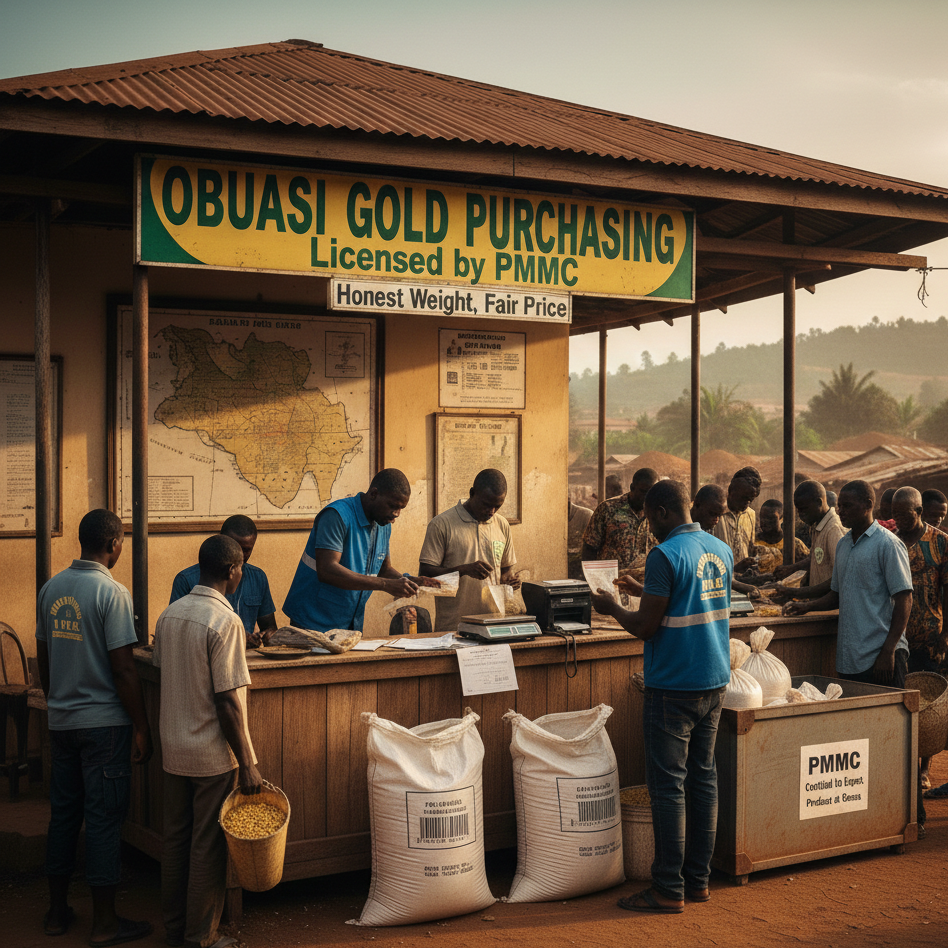
Africa Gold Reserve has operated across Ghana, South Africa, and South Sudan since 2015, engaging with gold’s enduring economic significance through structured procurement within national regulatory frameworks. Headquartered in South Africa with operations extending to the United Kingdom, the company sources material exclusively from licensed miners and authorized aggregators, ensuring fiscal contributions flow through legitimate channels to support national revenue objectives. Field representatives verify mining licenses and land rights before material evaluation, then oversee supervised transport to government assay facilities for certification. This approach acknowledges gold’s continued importance to African economies by supporting formalization efforts that maximize legitimate fiscal capture while providing international buyers with verifiable supply meeting OECD due diligence standards.
Export Verification and Value Chain Integration
The procurement sequence maintains gold’s economic integrity through rigorous verification protocols. Material undergoes assay at government-approved facilities—Ghana’s Precious Minerals Marketing Company laboratories, South Africa’s LBMA-certified centers, or South Sudan’s ministry-approved verification points—generating certificates of purity and weight that establish commercial value. Export permits secured from mineral authorities and tax clearance documentation from revenue agencies ensure fiscal obligations are satisfied before international departure. This structured workflow transforms raw material into internationally tradable commodity while preserving gold’s function as legitimate foreign exchange earner for producing nations—a contemporary manifestation of gold’s historical role in connecting African economies to global markets, now governed by transparent regulatory frameworks rather than colonial extraction.

Global Market Recognition
International markets recognize African gold’s strategic importance through sustained demand across destination regions. The United Arab Emirates receives substantial volumes through Dubai’s refining infrastructure, serving as transshipment hub between African supply and Asian manufacturing centers. United States buyers seek COMEX-compliant material for investment markets, creating steady demand for properly documented exports. Chinese refineries maintain appetite for feedstock supporting jewelry manufacturing and strategic reserves. European markets prioritize LBMA Good Delivery compliance, requiring documentation rigor that reinforces gold’s function as legitimate store of value. These trade patterns reflect global recognition that African gold supply remains strategically important to international monetary systems and industrial applications—a continuity from historical significance to contemporary market integration.
Sustainable Engagement with Gold’s Legacy
Responsible participation in Africa’s gold trade requires acknowledging the metal’s deep historical significance while supporting contemporary frameworks that ensure equitable benefit distribution. Africa Gold Reserve’s operational model—emphasizing licensed procurement, tax compliance, and transparent documentation—aligns commercial activity with national development objectives that echo gold’s historical role in building state capacity. The company’s decade of presence across multiple jurisdictions demonstrates that sustainable engagement honors gold’s enduring importance to African economies not through romanticized narratives but through structured partnerships that maximize legitimate fiscal capture, support formal employment, and maintain supply chain integrity required by evolving responsible sourcing standards.

Gold’s importance in Africa spans millennia—from financing pre-colonial empires and enabling transcontinental trade to generating contemporary foreign exchange and employment. For international buyers, understanding this continuum provides context for engaging African supply sources with respect for both historical significance and modern regulatory frameworks. Companies that recognize gold’s enduring strategic value while operating transparently within national structures create partnerships that honor Africa’s gold legacy while supporting responsible mineral governance in contemporary markets.
africagoldreserve.com
sales@africagoldreserve.com