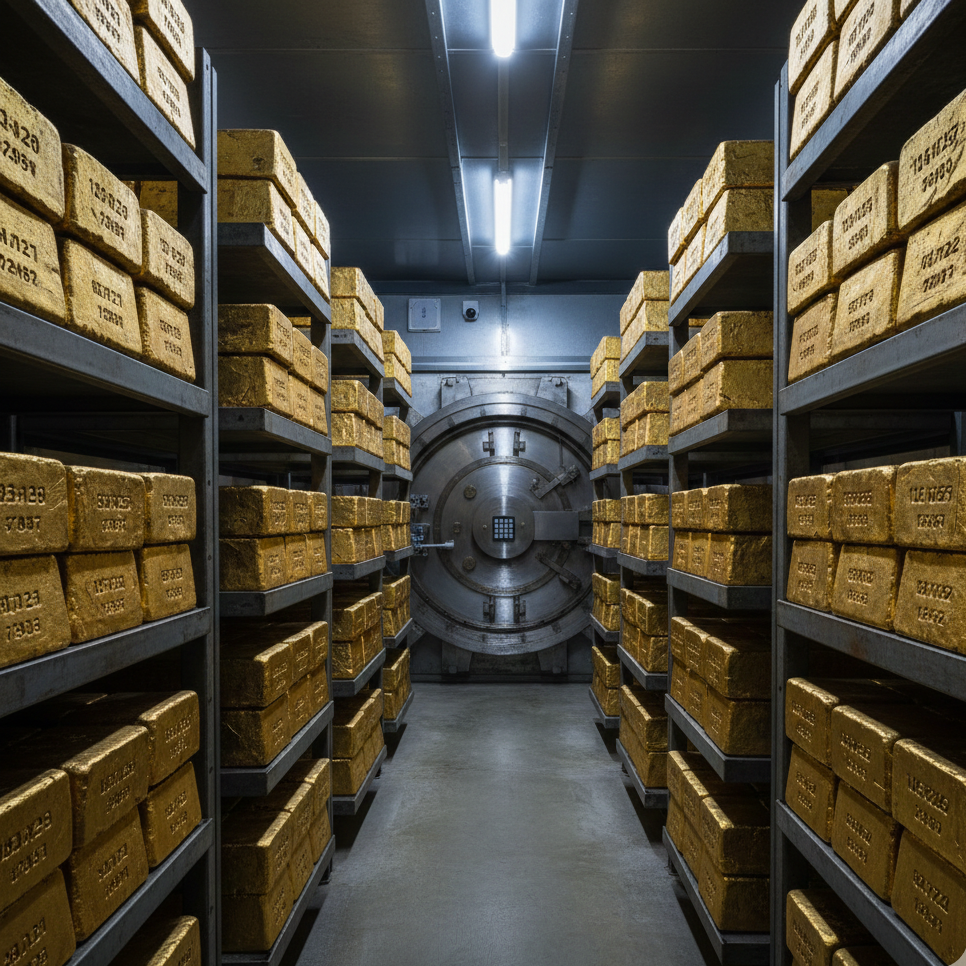

Why Gold Held Profound Importance in Africa: Historical Legacy, Economic Engine, and Cultural Anchor
Gold’s significance in Africa spans millennia—shaping civilizations, driving trade networks that connected continents, financing empires, and embedding itself in cultural traditions that endure today. Unlike regions where gold served primarily as currency or ornament, Africa’s relationship with gold intertwined economic power, political authority, spiritual belief, and international influence in ways that defined the continent’s historical trajectory and continues informing its modern development path.

Historical Foundations: Kingdoms Built on Gold
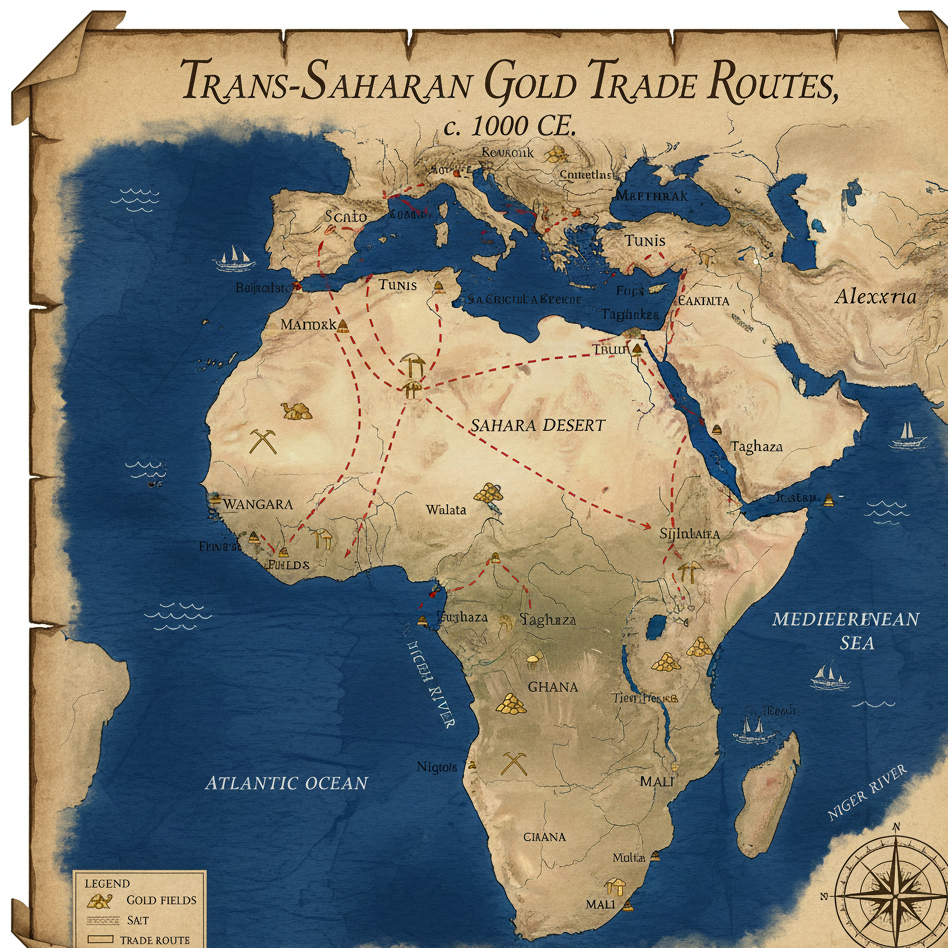
Long before European arrival, African civilizations recognized gold’s transformative power. The Kingdom of Mapungubwe (1075–1220 CE) along the Limpopo River built regional dominance through gold working and trade networks extending to the Indian Ocean coast and beyond—archaeological evidence reveals gold foil, beads, and ceremonial objects demonstrating sophisticated metallurgical knowledge. Ancient Egyptian and Nubian civilizations mined gold from the Eastern Desert and Nubian Desert as early as 2000 BCE, with hieroglyphic records describing expeditions to “Ta-Seti” (the land of gold)—modern-day Sudan—where Nubian gold financed pharaonic monuments and military campaigns. The Ghana Empire (not modern Ghana) controlled trans-Saharan gold trade routes from the 8th to 13th centuries, amassing wealth that attracted Arab scholars who documented the empire’s gold-based monetary system and royal splendor. These early civilizations understood gold not merely as ornament but as concentrated economic power enabling state formation and international influence.
West African Gold and Global Trade Networks
The Akan people of present-day Ghana developed extensive gold mining traditions centuries before Portuguese arrival in the 15th century. Gold dust functioned as currency in daily transactions, while gold objects signified political authority—royal regalia, state swords, and ceremonial stools embodied spiritual and temporal power. When Europeans reached the West African coast, they encountered sophisticated mining operations and vibrant markets—not untouched resources. The region became known as the “Gold Coast” precisely because Portuguese, Dutch, and British traders observed established Akan extraction networks and competitive gold markets. This gold fueled Europe’s monetary expansion while financing West African states’ military capabilities and diplomatic engagements—a relationship of mutual economic dependence rather than one-sided extraction until colonial consolidation altered power dynamics fundamentally in the 19th century.
Colonial Transformation and Economic Restructuring
European colonization fundamentally restructured Africa’s relationship with its gold. The 1886 Witwatersrand discovery triggered South Africa’s gold rush, catalyzing industrialization but also entrenching racialized labor systems and political tensions that culminated in apartheid. Colonial powers imposed extraction frameworks that redirected gold revenues to European treasuries rather than African development—Ghana’s (then Gold Coast) gold wealth financed British infrastructure while local communities received minimal benefit. Mining legislation systematically excluded African ownership of mineral rights, converting communal resource access into state-controlled concessions granted to European companies. This colonial restructuring transformed gold from a source of indigenous wealth and political power into an instrument of external control—a legacy that post-independence governments have worked to reverse through nationalization efforts, equity participation requirements, and formalization of artisanal sectors.
Contemporary Economic Significance
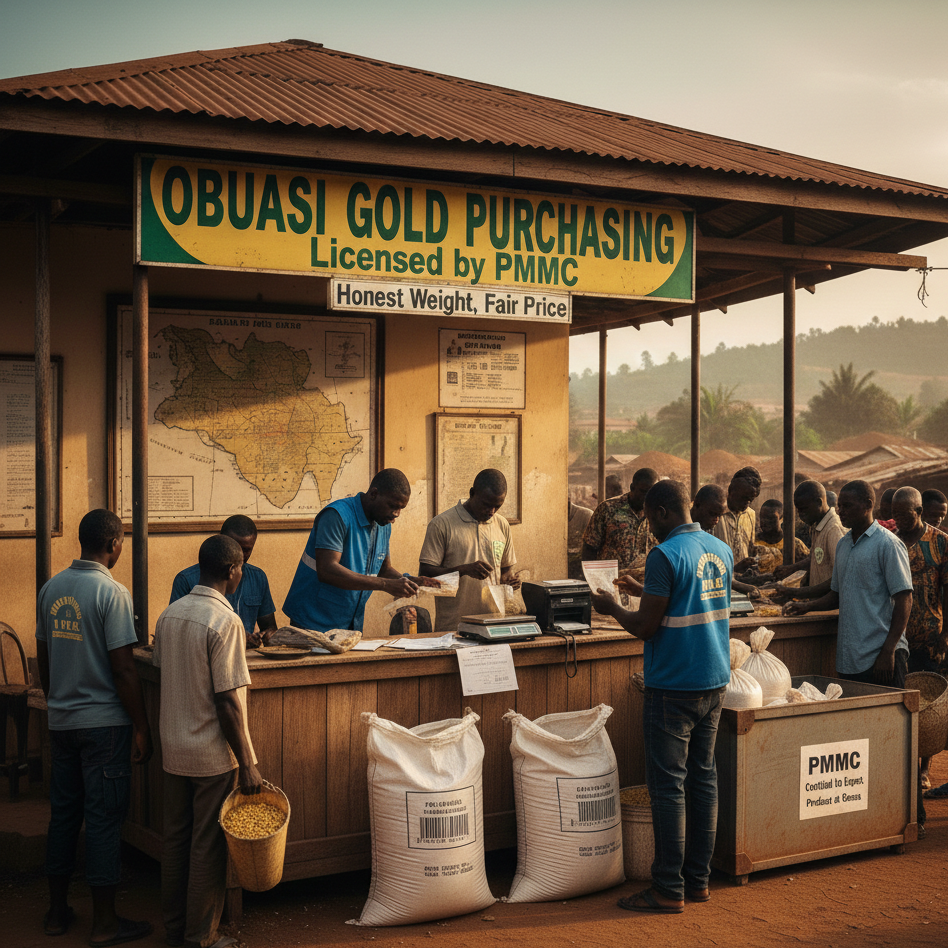
Today, gold remains Africa’s most valuable mineral export by revenue, with formal production exceeding 600 metric tons annually generating over $20 billion in export earnings. Ghana derives approximately 10 percent of government revenue from gold-related taxes and royalties, while gold exports constitute over 30 percent of the country’s total merchandise exports. South Africa’s gold sector, though diminished from historical peaks, still contributes significantly to foreign exchange earnings and supports specialized engineering industries developed over 135 years of mining heritage. Tanzania, Mali, and Burkina Faso similarly depend on gold for 15-25 percent of export earnings—revenue funding infrastructure, education, and healthcare in resource-dependent economies. Critically, formalization efforts increasingly channel artisanal production through licensed channels, converting informal activity into taxable revenue that strengthens national fiscal positions.
Cultural Continuity and Modern Identity
Gold’s cultural significance persists beyond economics. Among Akan peoples, gold weights (abrammuo) used historically for measuring gold dust remain cultural symbols taught in schools and displayed in museums. Royal courts across West Africa maintain gold regalia used in coronations and state ceremonies—objects embodying continuity between pre-colonial authority structures and contemporary governance. Gold features prominently in marriage customs across multiple ethnic groups, with bridewealth payments often including gold jewelry signifying family commitment and social status. These cultural practices distinguish Africa’s relationship with gold from purely transactional perspectives dominant in other producing regions—embedding the metal within living traditions rather than relegating it to historical artifact status.
Africa Gold Reserve’s Role in Honoring This Legacy
Africa Gold Reserve, founded in 2015 and headquartered in South Africa, operates with awareness that gold’s importance in Africa extends beyond commodity metrics. The company maintains field operations across Ghana, South Africa, and South Sudan to source material exclusively from licensed miners and authorized sellers operating under valid permits—ensuring that contemporary extraction honors historical continuity while generating fiscal benefits for producing nations. Field representatives verify mining licenses and land rights before acquisition, ensuring chain-of-custody integrity through government assay verification at jurisdiction-specific facilities. This methodology generates tax revenue for national development while providing miners access to international markets through compliant channels. Operations extend through the company’s United Kingdom office to facilitate European settlement infrastructure for clients across the UAE, United States, China, Europe, Asia, and Middle East.
Global Recognition of Africa’s Gold Heritage
International markets increasingly recognize that Africa’s gold carries unique historical and ethical dimensions. Refineries and institutional buyers seeking responsibly sourced material prioritize supply chains demonstrating fiscal contribution to producing communities alongside environmental stewardship. Africa’s formalization efforts—channeling artisanal production through licensed aggregators, mandating government verification of exports, requiring tax documentation—respond to both domestic development needs and international demand for transparent sourcing. These frameworks acknowledge gold’s enduring importance as an economic engine that, when properly governed, can finance sustainable development rather than fuel conflict or illicit flows.
Sustainable Importance Going Forward
Gold’s importance in Africa will evolve but endure. Economic contributions will increasingly depend on formalization—governments recognizing that structured channels maximize fiscal revenue while reducing illicit outflows. Cultural significance will persist as communities maintain connections to ancestral mining traditions adapted to contemporary frameworks. Global supply importance will grow as Africa’s reserves—approximately 30 percent of world totals—become increasingly vital amid depletion elsewhere. Companies investing in local compliance infrastructure and maintaining permanent operational presence position themselves as preferred partners for both regulatory authorities and international buyers seeking supply that honors gold’s historical importance while delivering contemporary economic benefits.
For international buyers, understanding why gold mattered historically in Africa provides essential context for responsible contemporary engagement. Africa’s gold heritage—from Mapungubwe’s artisans to Akan goldweights to Witwatersrand industrialization—represents not merely resource endowment but cultural legacy and economic potential. Africa Gold Reserve’s field presence across key producing regions, commitment to regulatory compliance ensuring fiscal contribution to African nations, and track record serving international buyers provides the foundation for partnerships that honor this legacy while connecting African production with global market demand through compliant, professionally managed channels in international gold trading.
africagoldreserve.com
sales@africagoldreserve.com