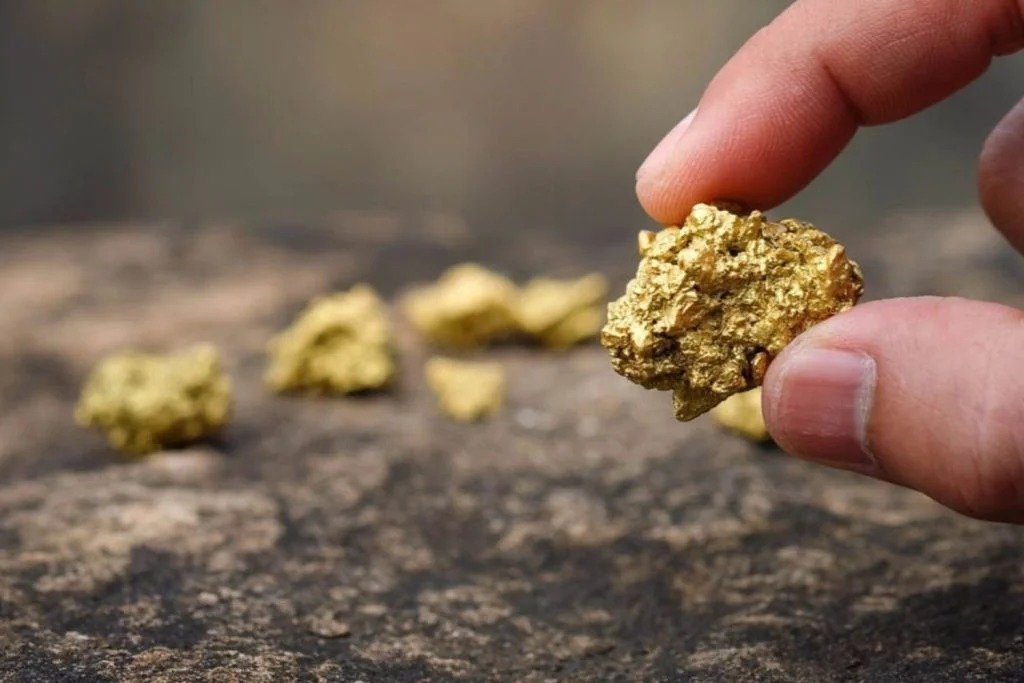

Why Was Gold Valuable to West Africa? Wealth, Power, and Global Connection
Gold was profoundly valuable to West Africa—not merely as a precious metal, but as a cornerstone of political authority, economic strength, and international influence for over a thousand years. Its value extended far beyond ornamentation; it shaped empires, fueled trade networks, and positioned West Africa as a pivotal player in the medieval global economy.
1. Source of Imperial Power and Prestige
From the 8th to the 16th centuries, gold underpinned the rise of West Africa’s great empires:
- The Ghana Empire (c. 300–1200 CE) controlled access to gold fields in modern-day Mali and Burkina Faso. Though it didn’t mine gold directly, it taxed trade between southern gold producers and northern salt merchants.
- The Mali Empire (c. 1235–1600), especially under Mansa Musa, became legendary for its gold wealth. His 1324 pilgrimage to Mecca—during which he distributed so much gold in Cairo that it reportedly depressed regional prices for years—demonstrated gold’s role as a tool of soft power and diplomatic influence.
- The Songhai Empire maintained control over key gold-producing regions and trade hubs like Timbuktu and Gao, reinforcing state authority through mineral wealth.
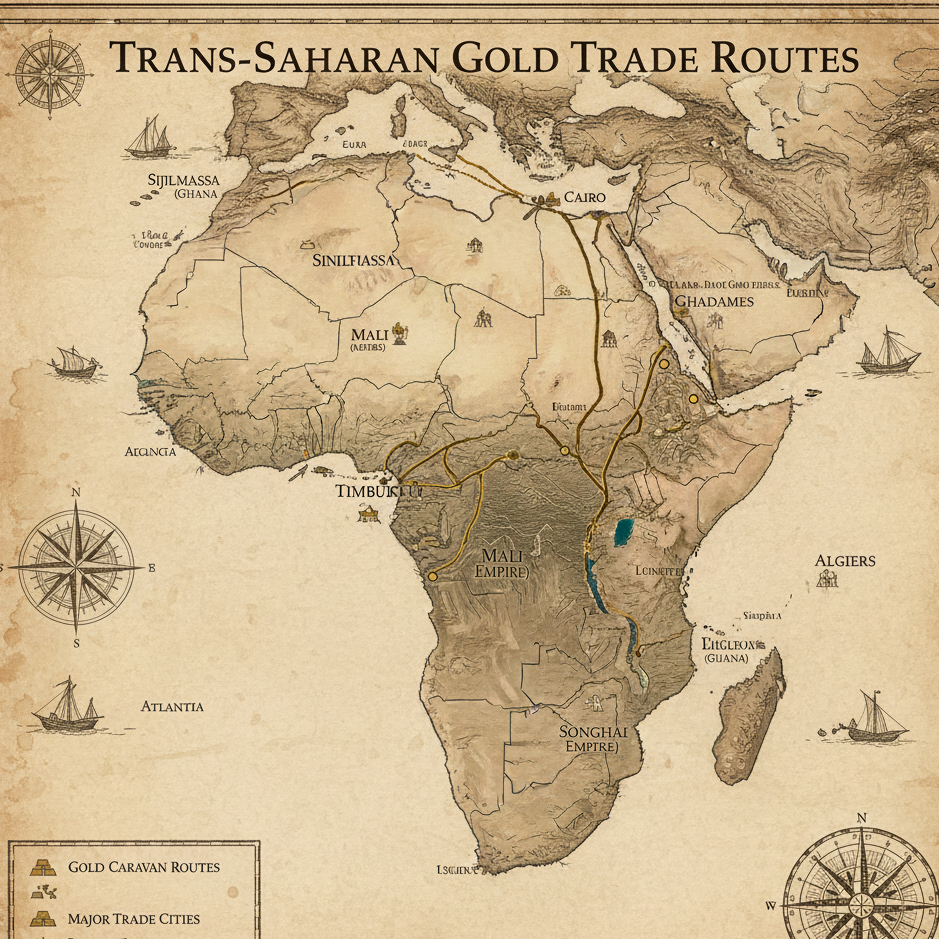
2. Engine of Trans-Saharan Trade
Gold was the primary commodity that connected West Africa to North Africa, the Middle East, and Europe. In exchange, West African kingdoms received:
- Salt (essential for food preservation, health, and livestock)
- Copper, textiles, weapons, and luxury goods
- Islamic scholarship, architecture, and administrative systems
This exchange turned cities like Timbuktu into cosmopolitan centers of commerce, learning, and culture—proving that gold’s value lay not just in accumulation, but in what it could acquire.
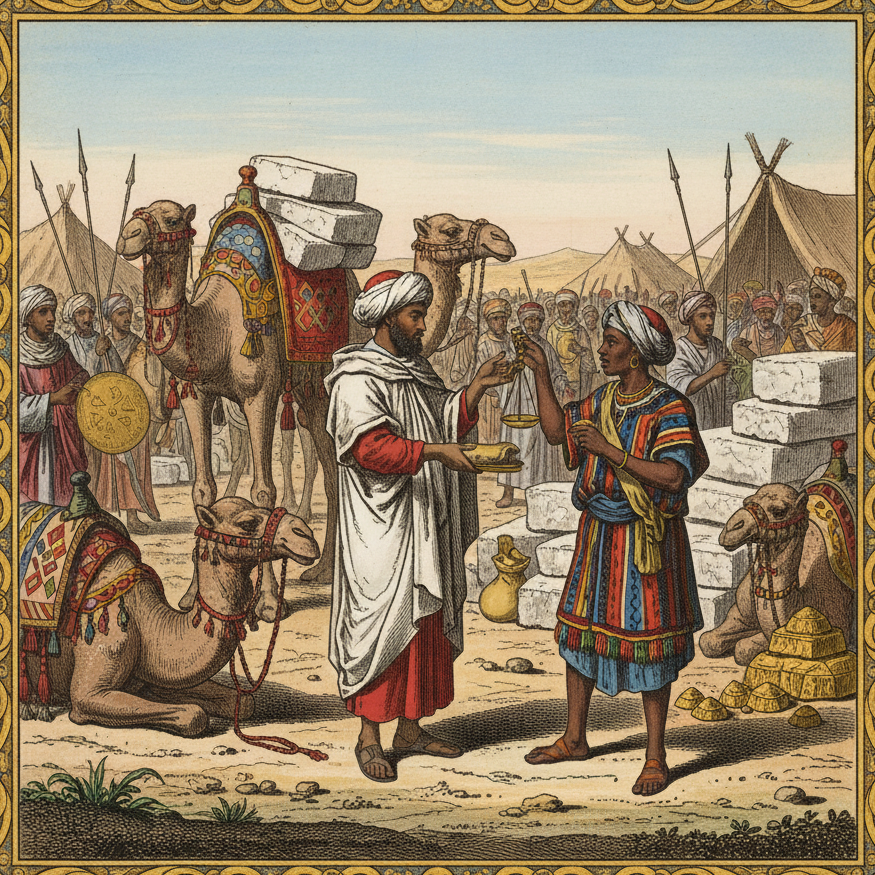
3. Symbol of Royal Authority and Social Order
West African rulers tightly controlled gold to reinforce their divine status:
- Kings often claimed exclusive rights to gold nuggets, allowing commoners to trade only in gold dust.
- Gold adorned royal regalia, thrones, and ceremonial objects, visually asserting power and legitimacy.
- The Akan peoples (in modern Ghana) developed intricate gold weights and measuring systems, integrating gold into governance, justice, and daily commerce.
4. Catalyst for Global Engagement
By the 15th century, European powers—starting with the Portuguese—sought direct access to West African gold, leading to the construction of fortified trading posts like Elmina Castle. Initially, Europeans came for gold, not slaves; the region was named the “Gold Coast” precisely because of its mineral wealth. This marked the beginning of sustained Atlantic trade and, eventually, colonial interest.
5. Enduring Legacy in Modern Economies
Today, West Africa remains the heart of Africa’s gold production:
- Ghana is the continent’s top producer
- The Birimian Greenstone Belt hosts some of the world’s richest deposits
- Governments are formalizing artisanal mining to ensure ethical, traceable supply chains
Companies like Africa Gold Reserve operate in this region, sourcing gold from licensed miners—connecting ancient legacy with modern compliance.
Conclusion
Gold was valuable to West Africa because it was more than a metal—it was currency, capital, and charisma. It built empires, bridged continents, and elevated local rulers to global prominence. Today, that legacy continues, not through caravans and crowns, but through responsible, transparent trade that honors both history and ethical standards.
Website: africagoldreserve.com
Email: sales@africagoldreserve.com